Most London guides written for American visitors explain the Tower of London. You do not need that. What you need is the short list of things that work differently here, because those are what turn an expensive evening into an awkward one.
Start with the one that stops the trip before it begins.
You now need an ETA, and most people still do not know
US citizens require an Electronic Travel Authorisation to enter the United Kingdom. It is not a visa and it is not difficult, but it is not optional either, and it is the single most common way an American traveller is turned away at check in.
The facts, from the government’s own guidance:
- It costs £20.
- Every person needs one, including babies and children. There is no family application that covers a group with one authorisation, although you can apply on someone else’s behalf.
- It covers stays of up to six months, for tourism, family visits, a business trip or short term study.
- You need one even if you are only changing planes, where that involves passing through UK border control before your onward flight.
- Holding one does not guarantee entry. It gets you to the desk, not through it, and the guidance suggests a Standard Visitor visa instead if you have a criminal record or have been refused entry before.
- It does not let you work, claim benefits, marry, or live here by repeated visits. Those need a visa.
Apply through the official government service and nowhere else. The guidance says so in as many words: other websites may charge more to apply, and it tells you to avoid websites that imitate government services. If you are being asked for substantially more than £20, you are on the wrong site. You can check online whether you already hold one and when it expires, and UK Visas and Immigration will not answer ETA questions by telephone, only by webchat.
Money, and the mistake almost every American makes
You are probably about to tip twice. Nearly every London restaurant above the casual end adds a discretionary service charge of 12.5 per cent directly to the bill, and some charge 15. It appears as its own line. Where it is there, you are finished: adding twenty per cent on top of it is not generosity, it is paying the service charge twice, and no member of staff expects it.
From our own checks this year: The Ritz charges 12.5 per cent, Holborn Dining Room and Bistrotheque both charge 15. Our tipping guide covers cabs, bars and the card machine prompt, but the rule fits in one line: look at the bill, and if service is on it you are done.
Discretionary genuinely means discretionary. A service charge can be removed on request. Whether you should is a separate question, but the position is not in doubt and the staff will not be surprised to be asked.
Lunch is the value, and the gap is enormous
This is the most useful sentence in this guide. The same kitchen, the same dining room and frequently the same cooking cost dramatically less at midday.
Two examples we checked. Medlar on the King’s Road serves three courses for £57 at lunch and £83 at dinner. Dinner by Heston Blumenthal, which holds two Michelin stars, does three courses at lunch for £65, which is less than most one star rooms charge in the evening.
If you have one expensive meal planned, make it a weekday lunch. You will eat better for the money than at any dinner you can book.
What to wear, and the one thing that gets people turned away
Most London restaurants have no dress code. A handful have a strict one. The ones in between say smart casual, which means nothing until you know what a door is actually checking for.
In practice smart casual is defined by what it excludes: no sportswear, no shorts, no ripped denim, no beachwear. Beyond that you have latitude.
The failure point is footwear, every time. Athletic trainers will fail a door that everything else about the outfit would have cleared. This catches Americans more than anyone, because a clean white sneaker reads as smart in most US cities and does not here.
At the strict end, The Ritz requires jacket and tie for men, with jeans and sportswear not permitted for anyone. The Goring bans trainers by name. Our dress code guide lists the rooms that genuinely enforce something and the ones that only look as though they do. A jacket is never wrong anywhere in this city and solves the whole question.
Getting around, which is simpler than you have been told
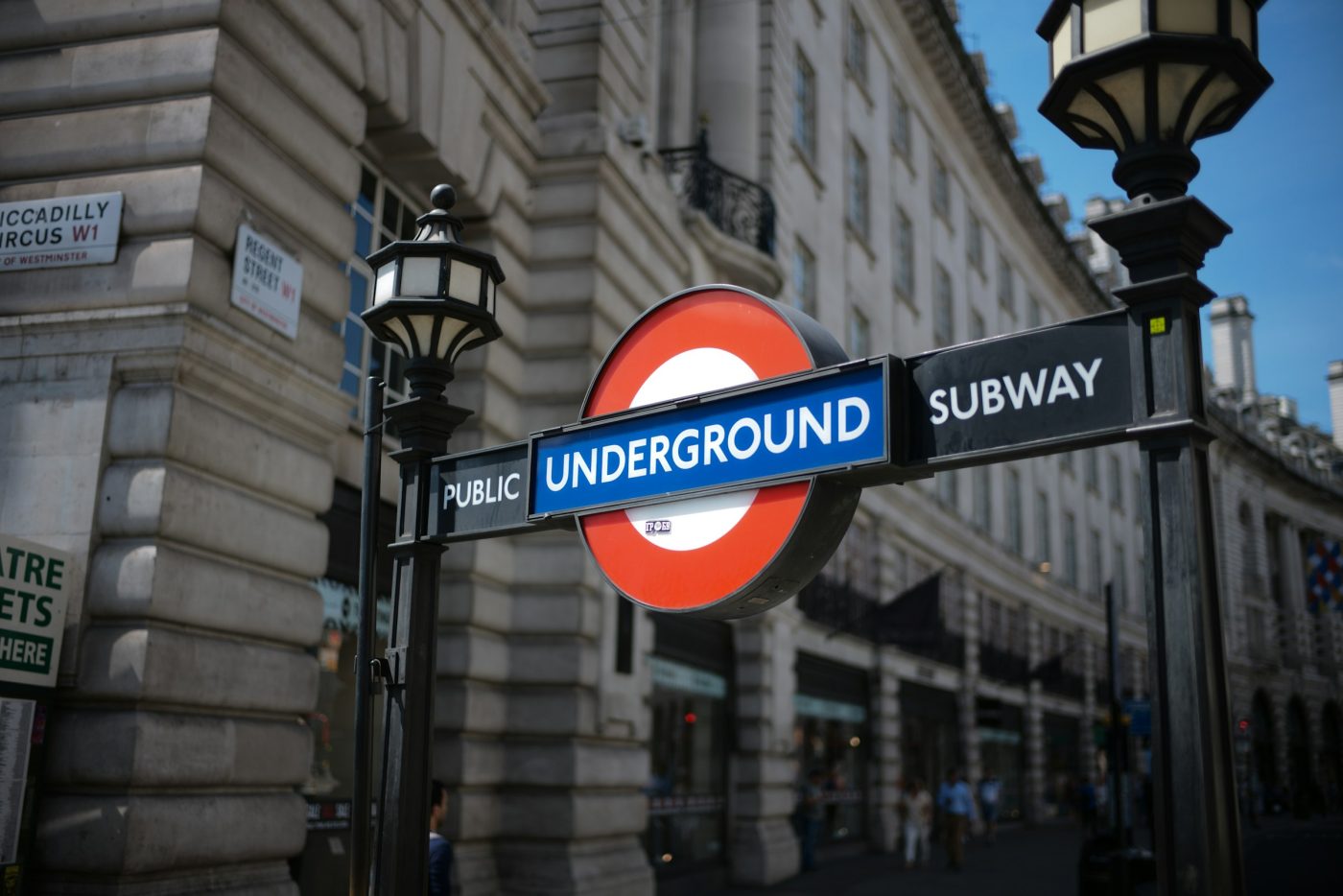
You do not need an Oyster card. Tap in with the contactless card or phone you already use. It works on the Underground, the buses, the Overground and the Elizabeth line, it caps your daily spend automatically, and there is nothing to buy in advance or top up.
Walk more than you think. Central London is far smaller than the Tube map suggests, because that map is a diagram rather than a scale drawing. Covent Garden to Soho is five minutes. Soho to Mayfair is about ten.
The Tube does not run all night, except on two nights. The Night Tube runs Friday and Saturday only, on six lines: the Central, Jubilee, Northern, Piccadilly, Victoria and Windrush. Every other night it stops, and the night bus is the real answer rather than a fallback. The full breakdown is here, including the three lines that do not run their whole route.
Never get into an unlicensed minicab. A black cab can be hailed in the street. Anything else should be booked.
Booking, which is the whole game
Book Thursday to Saturday, walk in Monday to Wednesday. The good restaurants are full by Wednesday for the coming weekend, and the same rooms will seat you at short notice early in the week. Getting this the wrong way round is how a carefully planned trip ends in a chain restaurant.
For the very top, plan differently. The Michelin Guide’s London listing runs to 85 starred restaurants, six of them with three stars, and the three star rooms book months rather than weeks ahead. Several open their diaries on a fixed schedule, so the date you enquire matters more than how early you start trying.
How long to come for
Three days covers central London without rushing it. Five lets you spend a day outside Zone 1, which is where London stops being a list of sights and becomes a city. Under two days is a stopover rather than a visit.
The thing Americans consistently underestimate is how much of London is walkable and how little of it needs a ticket. The permanent collections at the British Museum, the National Gallery, the Tate galleries, the V and A and the Natural History Museum are free, and always have been. Only the temporary exhibitions charge.
When to come
Avoid the last weekend of August if you are coming to eat. Notting Hill Carnival brings around a million people to west London, and the restaurants you planned around will not be doing what you expected.
December costs more than the menu says. Several rooms run a seasonal surcharge that is published but easy to miss: Medlar’s three courses go from £57 to £69 in December, and afternoon tea prices move similarly.
Hotel pricing inverts by district. The City empties at weekends and drops its rates. The West End fills and raises them. If your dates are flexible, that inversion is worth more than any discount code.
The tap water is fine, and it is free
Drink it. Thames Water publishes that since 2010, more than 99.95 per cent of tests taken from customers’ taps have met the standard required by UK and European legislation, out of more than 500,000 tests a year. Londoners do not buy bottled water for safety, and no restaurant will think less of you for asking.
It is hard water, so it tastes faintly of minerals rather than of nothing and it furs up a kettle. That is the whole difference.
Any pub or restaurant licensed to serve alcohol has to give it to you free. It is a mandatory condition of every on premises licence in England that free potable water is provided on request where it is reasonably available. You do not have to buy anything else to ask, and asking for tap water with dinner is ordinary here rather than a small act of defiance. Sparkling or still bottled water is a choice you are making, not one the room is making for you.
A few words that mean something else here
An entrée is a starter, not a main course. Chips are fries and crisps are chips. A first floor is one flight up, not the ground floor, which matters more than it sounds when a restaurant’s address says first floor and you are standing outside looking at a shop.
In a pub, you order at the bar and pay then. Nobody will come to your table, and waiting for them is the most reliable way to spend an evening thirsty.
Everything here was checked against the venues’ own published information and the government’s own guidance, and rechecked on 28 September 2026. Prices and rules change. Confirm before you travel.
Where to go next
Our main London guide covers a visit end to end, and the best restaurants in London covers where to eat once you have the rules straight.
For the neighbourhoods, Soho is where most visitors should start and Mayfair is where the money goes. Tipping and dress codes are the two guides worth reading before you book anything.
The four planning decisions, in order. When to come, where the Met Office data says the driest month is March and what collapses in winter is daylight rather than rain. Where to stay, where Zone 2 costs exactly the same as Zone 1. What to do with three days, arranged so you are not crossing the city four times. And whether the London Pass is worth it, which turns entirely on a number the seller publishes.
The practical tips gathers the rest, and the safety guide relays what the Metropolitan Police actually tell visitors, which is almost entirely about property rather than people.
Questions we get asked
Do Americans need a visa to visit London?
Not a visa, but you do need an Electronic Travel Authorisation. It costs 20 pounds, covers stays of up to six months for tourism, family visits, business or short term study, and every traveller needs their own including babies and children. You also need one to transit through a UK airport where that means passing through border control. Apply through the official government service: other sites may charge more for the same thing, and the guidance warns about sites that imitate it.
How much should Americans tip in London?
Usually nothing on top of the bill. Nearly every London restaurant above the casual end already adds a discretionary service charge of 12.5 per cent, and some charge 15. Where it is on the bill you are done, and adding twenty per cent means paying the service charge twice. Cabs and bars are rounding up rather than a percentage.
How many days do you need in London?
Three to see central London without rushing, five to spend a day outside Zone 1, which is where it stops being a list of sights and becomes a city. Under two days is a stopover. Most visitors underestimate how walkable the centre is: Covent Garden to Soho is five minutes on foot.
When is the best time to visit London?
Any time except the last weekend of August if you are coming to eat, when Notting Hill Carnival brings around a million people to west London. December carries published seasonal surcharges at a lot of restaurants. And hotel pricing inverts by district: the City is cheaper at weekends, the West End dearer.
Can you drink tap water in London?
Yes, everywhere, and Londoners do. Thames Water publishes that since 2010 more than 99.95 per cent of tests taken from customers' taps met the standard required by UK and European legislation, from over 500,000 tests a year. It is hard water, so it tastes faintly of minerals and furs up a kettle, and that is the only difference you will notice.
Is London tap water safe to drink?
Yes. It is tested more than 500,000 times a year and, on Thames Water's own published figures, more than 99.95 per cent of samples taken from customers' taps have met the UK and European legal standard since 2010. Nobody here buys bottled water for safety reasons, only for preference.
Can I drink the tap water in a London hotel?
Yes, it is the same mains supply as everywhere else in the city. Bottled water in the minibar is a convenience and a charge, not a precaution. The same applies in restaurants: any venue licensed to serve alcohol must provide free potable water on request, so tap water with dinner is always an option and always free.
Written by Robert J Wills, no. 51 in the guide.
Last checked 28 September 2026 against the venues' own published information. Nobody pays to appear here and we take no bookings.