The Metropolitan Police describe London as “one of the world’s most exciting and safest cities.” That is the police force’s own published wording on its own advice page for visitors, and it is a better answer to the headline question than anything this site could construct.
What follows is not a risk assessment. We are not going to quote you crime statistics, because the Met publishes its numbers in interactive dashboards and a figure misread from one of those would be a worse thing to print than no figure at all.
What we can do is relay what the Met itself tells visitors to do, which is specific and practical and almost never repeated, and add the things that matter if you are here to eat and drink rather than to sightsee.
The warning aimed directly at this site’s readers
The Met’s visitor advice has a section headed “Don’t go there”, and it is about one district and one kind of premises.
They advise being wary of bars in the Soho area of the West End that advertise sex shows. Their stated reason: these places may charge very high prices for non-alcoholic drinks, usually served by hostesses, and you may be charged for the hostess’s company and for her drinks as well. Their advice is to be very aware of what sort of premises you are entering and, if in doubt, not to go in.
That is the police warning the public about a specific scam in a specific half square mile. If you are a man out in Soho at midnight, it is the single most relevant line on this page, and it is the reason we have given it a section rather than a footnote. Our Soho guide covers what the district is actually good for.
The scam involving a fake police officer
The other specific one they publish, which people do not expect: never give your PIN to anyone, even if they claim to be an undercover police officer. The Met notes that this has been known to happen. A real officer will never ask for your PIN.
They also advise against buying theatre or concert tickets from touts in the street.
Phones, which is the risk that actually affects visitors
The Met publishes separate and unusually detailed guidance on mobile phones, and the framing is the important part: thieves take your phone to get at your bank accounts and your personal data, not only for the handset.
Their published advice, condensed:
Do not leave a phone on a table. Their own words are that thieves can grab a phone from a table in seconds, or distract you and take it. In a city where you will spend a good deal of the trip sitting at tables in bars and restaurants, this is the line to remember.
Watch who is behind you when you unlock it. They describe shoulder surfing, where a thief watches or films you entering a passcode. Their recommendation is to use Face ID or a fingerprint in public rather than typing a code, and they note that a password is harder to shoulder surf than a short PIN.
Never hand your phone to someone you have just met, however the request is framed. The Met specifically flags thieves asking to borrow a phone or offering to type in their number.
Turn off message previews. If your lock screen shows incoming texts, it shows password reset codes and login codes to whoever is holding your phone.
Set up the anti theft features before you travel. Stolen Device Protection on iPhone, Theft Detection Lock on Android, which uses the motion sensor to lock the phone automatically if it is snatched. Both exist, both are off by default for most people.
Get your IMEI number now. Dial star hash zero six hash on the keypad and write the number down somewhere that is not your phone.
Consider whether your banking apps need to be on the phone at all, which is the Met’s suggestion rather than ours. They also advise hiding photographs of identity documents, because those can be used to apply for loans in your name.
Hotels and luggage
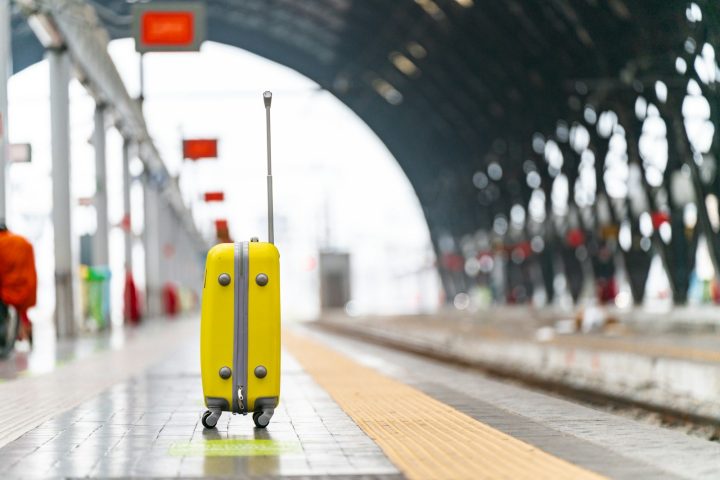
Do not leave luggage unattended, even for a few seconds. The Met states plainly that hotel lobbies attract thieves, which is exactly where people put a bag down while they check in.
Their other hotel advice: use the room safe, mark your bags with your name and contact details on the inside as well as the outside, learn where the fire exits are when you arrive, and keep copies of your passport, cards, device serial numbers and your embassy’s number somewhere separate. Where to stay in London covers choosing the area.
Getting home, which is the part people plan worst
This is ours rather than the Met’s, and it comes out of the rest of this site.
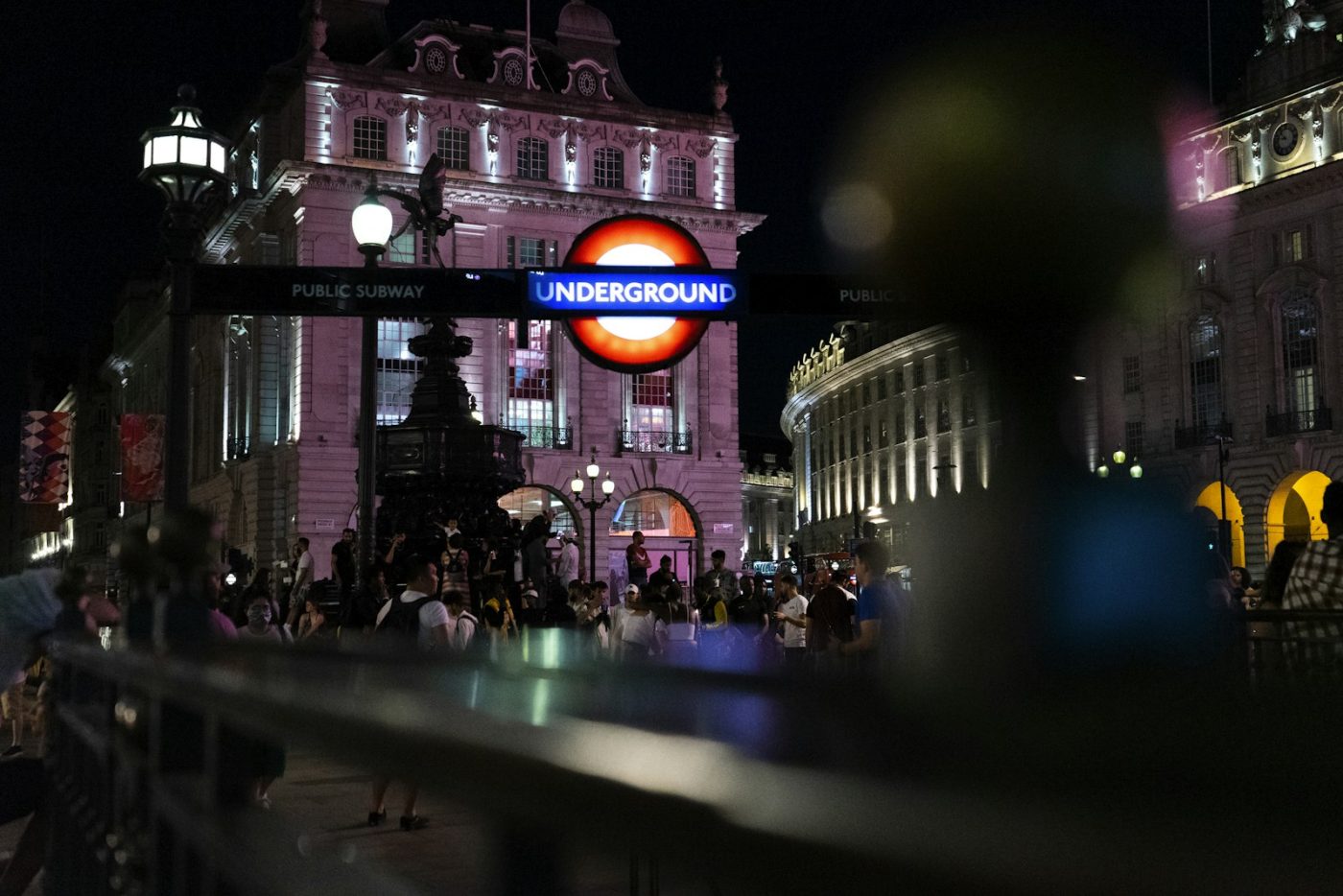
The Night Tube runs on Friday and Saturday nights only, on six lines. If your evening will end after midnight on any other night, you need a plan that is not the Underground. The Night Tube guide covers which sections of those six lines do not actually run, which catches people out at London Bridge in particular.
Buses run all night, every night, cost 1.75 pounds flat with no zones, let you change buses free within the hour, and cap at 5.25 pounds a day. They are the answer nobody reaches for. The fares guide has the detail.
Some districts empty completely after dinner. Mayfair, Knightsbridge and Canary Wharf are quiet rather than dangerous, but a quiet street at one in the morning is a different experience from a busy one, and it is worth knowing which you have chosen before you book.
Emergency numbers
999 or 112 for police, ambulance or fire in an emergency. 101 for non urgent crime. Both 999 and 112 work from any phone in the UK.
On the comparison questions
People searching this also ask whether London is safer than New York, or than Paris. We are not going to answer those, because there is no honest single number that does. The answer changes depending on which offence you count, how each force records it, and which part of each city you mean. Anyone giving you a confident one line comparison has picked the statistic that suited them.
What is true and useful is that the risk that actually affects most visitors to London is property rather than violence, it is concentrated on phones, and the Met has published specific instructions about it that take ten minutes to follow.
Practical notes
Do the phone setup before you fly. Anti theft lock on, message previews off, IMEI written down, banking apps behind biometrics. It is a ten minute job and it is the whole of the useful preparation.
Keep the phone off the table. Of everything on this page, this is the one that will actually come up, repeatedly, in the bars and restaurants covered by the rest of this site.
Walk away from any hostess bar. If a person on the street in Soho is inviting you into a venue, the Met’s advice is the one to follow.
All advice on this page is drawn from the Metropolitan Police’s own published crime prevention guidance, rechecked on 28 September 2026. Their guidance is updated from time to time and theirs is the version that counts.
Where to go next
The Soho guide covers the district the Met singles out, and what is actually worth your evening there. London after dark covers what is open once the kitchens close.
For getting home: the Night Tube and how much the tube costs. For choosing where to base yourself, where to stay in London.
Questions we get asked
Is London safe for tourists?
The Metropolitan Police’s own published description is that London is one of the world’s most exciting and safest cities. Their visitor advice concentrates almost entirely on protecting property rather than personal safety: phones, luggage in hotel lobbies, pickpockets and ATM awareness. The one place they name specifically is Soho, where they warn about bars advertising sex shows.
What should you avoid in London?
The Met names one thing specifically in its visitor advice: bars in the Soho area advertising sex shows, which they say may charge very high prices for non-alcoholic drinks served by hostesses, with further charges for the hostess’s company and drinks. They also advise against buying theatre or concert tickets from street touts, and against giving your PIN to anyone at all.
Is it safe to walk at night in London?
The Met’s published advice for visitors is about property rather than about avoiding streets, which tells you where they think the risk sits. The practical issue at night is transport rather than danger: the Night Tube runs on Friday and Saturday nights only and on six lines, so on a Tuesday your plan has to be buses, which run all night for 1.75 pounds flat, or a booked car.
How do you avoid phone theft in London?
The Met’s own list: never leave it on a table, because it can be taken in seconds or while you are distracted. Use Face ID or a fingerprint in public rather than typing a passcode, because thieves watch and film people entering codes. Never hand it to someone you have just met. Turn off lock screen message previews so reset codes are not visible. Turn on Stolen Device Protection or Theft Detection Lock before you travel.
Is London safer than New York or Paris?
There is no honest single number that answers this. It depends entirely on which offence you count, how each police force records it, and which part of each city you mean, and anyone offering a confident one line comparison has chosen the statistic that suited their argument. The more useful question is what actually happens to visitors, which in London is overwhelmingly property theft.
What is the emergency number in London?
999 or 112 for police, ambulance or fire in an emergency, and both work from any phone in the UK. For non urgent crime, call 101. If your phone is stolen you will want your IMEI number, which you get by dialling star hash zero six hash on the keypad, so write it down somewhere other than the phone before you travel.
Are London hotels safe?
The Met’s specific warning is about lobbies rather than rooms: do not leave luggage unattended even for a few seconds, because hotel lobbies attract thieves, and checking in is exactly when people put a bag down. They also advise using the room safe, marking bags with your details on the inside as well as the outside, and keeping copies of your passport and cards somewhere separate.
Written by Robert J Wills, no. 100 in the guide.
Last checked 28 September 2026 against the venues' own published information. Nobody pays to appear here and we take no bookings.