Tipping in London confuses visitors more than it should, mostly because the important number is usually already on the bill and nobody points at it. It catches American visitors hardest, which is one of several differences covered in our guide for travellers from the United States.
Here is the short version: check for a service charge before you tip, because most restaurants have already added one.
Do you tip in London?
Usually not, because it has already been done for you. Most London restaurants add a service charge to the bill, and that charge is the tip. Adding a second one on top is the mistake visitors make most often.
How much to tip in London, when you do: the standard service charge is 12.5 per cent and it is almost always discretionary, which means you may have it removed. In a pub where you order at the bar, nobody tips at all. In a black cab or a minicab, round up to the nearest pound or note, because nobody calculates a percentage.
The rest of this page is what each of those words actually means on a bill, and what the law now requires.
The service charge is the tip
Nearly every London restaurant above the casual end adds a discretionary service charge of 12.5 per cent. Some add 15. It appears on the bill as a separate line, and it is intended as the tip.
If it is there, you do not tip on top. Doing so is not generous, it is simply paying twice, and no member of staff expects it.
From our own checks across London dining rooms this year:
| Where | Service charge |
|---|---|
| Most restaurants | 12.5%, discretionary |
| The Ritz | 12.5% |
| Holborn Dining Room | 15% |
| Bistrotheque | 15% |
| The Goring | 15%, optional |
| The Connaught | Included in the price |
| Fortnum & Mason | 12.5%, discretionary |
The Connaught is worth singling out. Its afternoon tea is £92 including service and VAT, which makes it cheaper in practice than several places advertising a lower headline price. Almost no listing site accounts for this.
Discretionary means discretionary
The word is not decoration. A discretionary service charge can be removed on request, and staff will do it without argument.
Whether you should is your business. If the service was poor, ask. If it was fine, leave it. What you should not do is assume the charge is a tax, which is what a surprising number of visitors think.
Since 2024, UK law requires that tips and service charges are passed on to staff in full, so the money does reach the people who served you. The law is the Employment (Allocation of Tips) Act 2023, which makes it mandatory for all tips to be passed to workers without deductions and which came into force on 1 October 2024. It applies in England, Scotland and Wales.
The law has teeth, and that changes the etiquette
Most tipping guides written before October 2024 are giving you the old rules, and the difference matters at the table.
The Employment (Allocation of Tips) Act 2023 is not a guideline. It is backed by a statutory Code of Practice, published on 29 July 2024, and workers can enforce their rights through the employment tribunal system, where judges have a duty to take that code into account. That is the government’s own description of it.
The practical consequence is the part nobody spells out. Before the law, removing a service charge was a way of penalising a restaurant that had served you badly, and there was a fair chance the money was never reaching the floor anyway.
Now it reaches the floor by law. So removing it takes money from the person who served you, not from the house.
That is not an argument for paying a charge you think is unearned. It is an argument for being clear about who bears it. If the problem was the kitchen, the wait or the room, the service charge is the wrong lever and a word with the manager is the right one. If the problem was genuinely the service, then removing it now does exactly what it says.
What twelve and a half per cent actually costs
The percentage sounds small and is not, because it lands on the whole bill including the wine.
| Bill before service | At 12.5% | At 15% |
|---|---|---|
| £60, dinner for two, no wine | £67.50 | £69 |
| £120, dinner for two with a bottle | £135 | £138 |
| £250, a proper night out | £281.25 | £287.50 |
The gap between 12.5 and 15 per cent is small. The gap between noticing the charge and not noticing it is not. On a £250 bill the service line alone is over thirty pounds, which is a course each, and it is the single most common reason a London bill lands higher than people expected.
What to do where
Restaurants. Check the bill. Service added, pay it. No service added, 10 to 12.5 per cent is normal and generous.
Pubs. No tipping at the bar. This is the one that catches Americans out. If you want to be generous, offer to buy the bartender a drink; they will usually take the money for later. Table service in a gastropub is different and works like a restaurant.
Bars and cocktail bars. Not expected at the bar. If there is table service, a service charge will usually appear.
Hotels. A few pounds for a porter, a few for housekeeping if you want. Not obligatory.
Black cabs and minicabs. Round up to the nearest pound or note. Nobody calculates a percentage.
Ride hailing. In the app, or not at all. No cash.
Barbers and spas. Ten per cent if you were pleased. Frequently included at hotel spas, so check.
Deliveries and counters. Nothing expected. The tip jar is a tip jar, not a bill.
Three things that catch people out
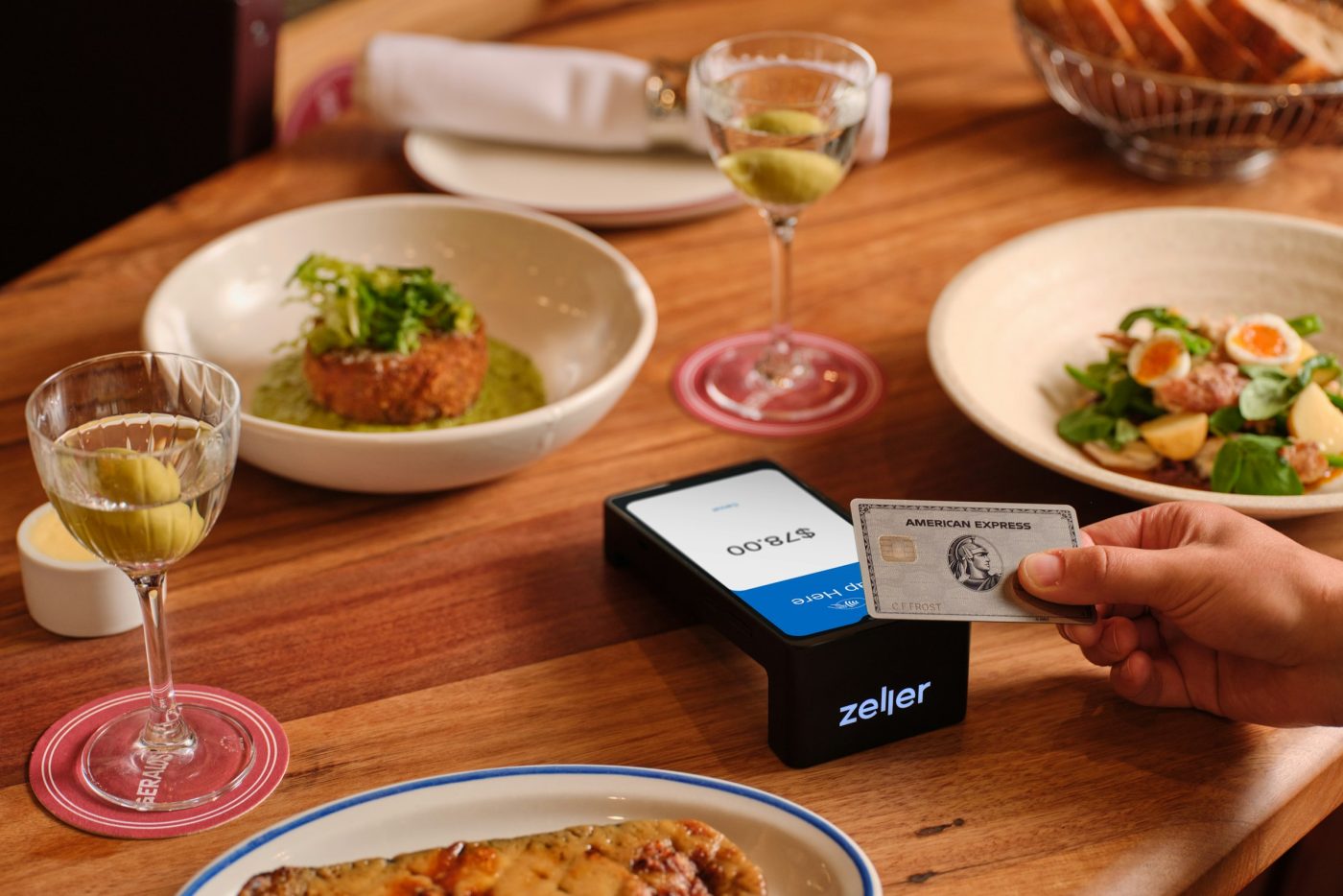
The card machine prompt. Some terminals ask for a tip after a service charge has already been added. Read the bill before you tap.
Large groups. Parties of six or more frequently get a compulsory rather than discretionary charge, and it can be higher. It will be on the menu somewhere.
Cash versus card. It no longer matters much. The 2024 rules mean card tips reach staff. Some people still leave cash on the assumption that it goes directly; it is a courtesy rather than a necessity.
The rule, in one line
Look at the bill. If service is on it, you are done. That single habit covers almost every situation in London and stops you either overpaying or looking as though you have not noticed.
Where to go next
For where to spend it, the best restaurants in London and the Michelin list quote prices with the service position noted. Afternoon tea in London compares every grand hotel on menu price against what you actually pay.
And our main London guide covers the rest of a visit.
Questions we get asked
Should you remove the service charge in London?
You can, and staff will do it without argument, but understand who it costs. Since the Employment (Allocation of Tips) Act 2023 came into force on 1 October 2024, tips and service charges must be passed to workers without deductions, backed by a statutory code of practice and enforceable through employment tribunals. So removing the charge now takes money from the person who served you rather than from the restaurant. If the complaint is about the food or the room, speak to the manager instead.
How much is the service charge in London restaurants?
Usually 12.5 per cent, added discretionarily, with some rooms at 15. It lands on the whole bill including wine, so on a 250 pound dinner the service line alone is over thirty pounds. The Connaught is the exception: service and VAT are already in its price, which makes it cheaper in practice than places quoting a lower headline.
Do you tip in London?
Usually not on top of the bill, because the tip is already on it. Nearly every London restaurant above the casual end adds a discretionary service charge of 12.5 per cent, and some add 15. Where that line is present you are done, and adding more is paying twice rather than being generous. At a pub bar you do not tip at all. Our guide for visitors from the United States covers the differences that catch people out.
Is tipping customary in London?
It is customary in restaurants and largely absent everywhere else, which is the part visitors get wrong. Sit down restaurants add service automatically. Pub bars, counters and deliveries expect nothing at all. Cabs are rounded up to the nearest pound rather than tipped by percentage, and barbers and spas are ten per cent if you were pleased.
What is the tipping culture in London?
Quieter than in the United States, and mostly handled by the bill rather than by you. Since 2024, UK law requires tips and service charges to be passed to staff in full, so the money reaches the people who served you whether you pay by card or in cash. Nobody here performs gratitude with a percentage, and no member of staff expects it at a bar.
How much is the service charge in London?
Usually 12.5 per cent, with some houses at 15. From our own checks this year: the Ritz and Fortnum and Mason 12.5 per cent, Holborn Dining Room 15, Bistrotheque 15, and the Goring 15 and optional. The Connaught includes service and VAT in its price, which makes it cheaper in practice than several places quoting a lower headline. The afternoon tea page compares every grand hotel on menu price against what you actually pay.
Can you refuse to pay a service charge in the UK?
Yes. Discretionary means discretionary, and the charge can be removed on request without argument. Whether you should is your business: if the service was poor, ask, and if it was fine, leave it. What you should not do is assume it is a tax, which a surprising number of visitors do.
Do you tip in pubs in London?
No, not at the bar, and this is the one that catches American visitors hardest. If you want to be generous, offer to buy the bartender a drink and they will usually take the money for later. Table service in a gastropub is a different thing and works like a restaurant. The pubs guide covers which rooms have table service at all.
Do you tip taxi drivers in London?
Round up to the nearest pound or note, in a black cab or a minicab. Nobody calculates a percentage. For ride hailing it is in the app or not at all, and never in cash.
How does tipping work in London?
Look at the bill. If service is on it, you are done. Everything else, from cabs to barbers to the card machine prompt, is rounding up rather than a percentage, and none of it is expected. Watch the terminal: some card machines ask for a tip after a service charge has already been added, so read the bill before you tap.
Written by Robert J Wills, no. 36 in the guide.
Last checked 2 October 2026 against the venues' own published information. Nobody pays to appear here and we take no bookings.