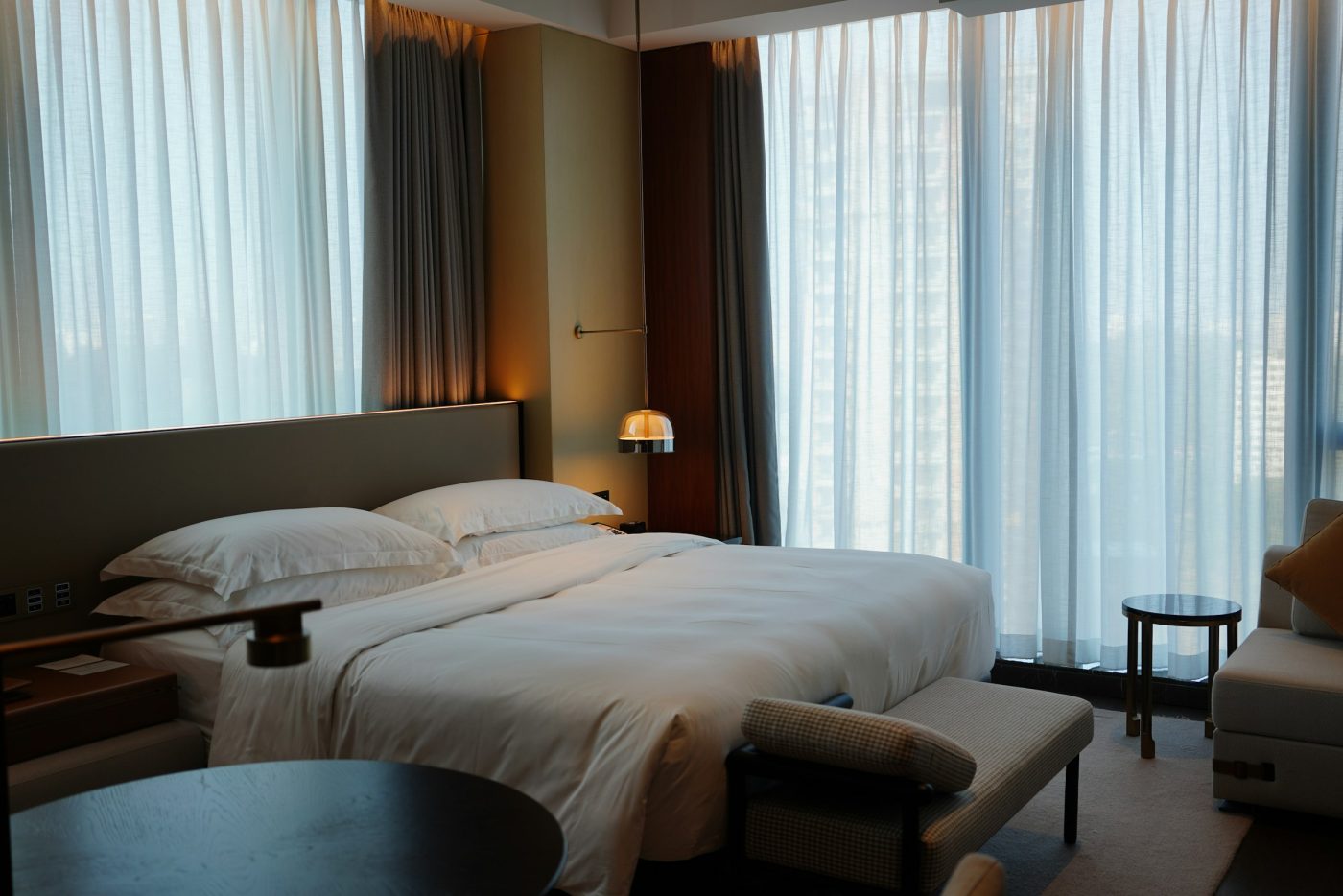
A five star London hotel does not enter your room once a day. It enters twice. The Savoy states its arrangement plainly: housekeeping services the room daily and also provides an evening turndown service.
The second visit lands in the early evening, which is the hour a private guest is least likely to want a knock at the door. It is standard across the category, it is optional, and almost nobody declines it because almost nobody knows it is coming.
Discretion in a hotel is not about secrecy. It is about a set of practical design and service decisions that add up to not being observed: where the entrance is, how long the walk through the lobby takes, whether the staff acknowledge you by name in front of other guests, whether anyone is standing at the lift, and how many times a day somebody has a reason to come in.
Most people looking for this are not doing anything remotely interesting. They are senior enough to be recognised, in town for something commercially sensitive, travelling with someone they would rather not explain, or simply private by temperament. The requirements are the same regardless.
What actually makes a hotel discreet
A small lobby, or none. The grand London hotels have enormous lobbies that function as public rooms, with afternoon tea, a bar and a permanent audience. Townhouse hotels frequently have a front door, a desk and a staircase. That single difference matters more than everything else combined.
More than one entrance. Several London hotels have a side or garage entrance. Worth knowing they exist; not worth being strange about.
Staff who are trained not to perform. The best service in this category is quiet. No loud greeting across the room, no repeating your name, no announcing your room number at the desk. The good hotels train for this and it is immediately obvious.
Room service that knocks and leaves. Ask for the tray outside the door and a good hotel does it without commentary.
Housekeeping you can schedule, and a turndown you can decline. The standard pattern at this end of the market is a daily service plus an evening turndown, so two entries rather than one. Both are arranged around you if you ask at check-in. A hotel that cannot tell you when its staff will be in your room is not set up for this.
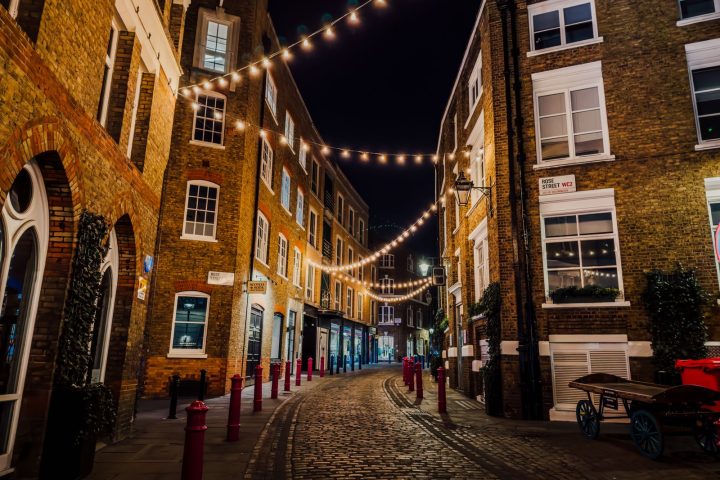
A location on a side street. Mayfair and Belgravia are full of hotels on quiet residential streets with no passing trade. That is why they are expensive and it is precisely what you are buying.
Where to look in London
Mayfair townhouse hotels. The small ones, twenty to fifty rooms, on the streets behind the main squares. Low-key entrances, no lobby scene, and staff who deal with well-known guests constantly.
Belgravia and Knightsbridge. Residential, quiet at night, and several hotels that look like houses because they were.
Marylebone. Central, calm, and far less scrutinised than Mayfair while being a ten minute walk from it.
The new Mayfair arrivals. Mandarin Oriental Mayfair at 22 Hanover Square, W1S 1JP describes itself in its own words as a sleek, boutique hotel, which is the profile that tends to suit this brief better than a landmark house with a famous tea room in the middle of it.
The category most people miss is the serviced residence. Mandarin Oriental Mayfair sells two and three bedroom Hanover Residences and a two bedroom duplex, and the published description of them is the point: a spacious entrance lobby of your own, a powder room, an open plan kitchen and living area, and in the duplex two private terraces. Dorchester Collection runs residences in London on the same principle.
A residence with its own entrance hall and kitchen removes most of the reasons to cross a hotel’s public rooms at all: no breakfast room, no bar, no trip down to reception for anything. If the brief is genuinely not being observed, that is a more complete answer than a small hotel with good manners.
What to avoid if privacy is the point: the biggest landmark hotels, anything with a famous bar or restaurant drawing non-residents through the lobby all evening, and anywhere currently hosting a conference.
How to book for privacy, practically
Book direct, by phone if you can. You get to state preferences that no booking form has a field for.
Ask for a quiet floor away from the lift. Lift lobbies are where people wait, and waiting people look at who arrives.
Say you would prefer minimal in-room service and set housekeeping times rather than leaving it open.
Settle the bill in advance. Checkout at a desk is the most exposed moment of a stay, and it happens at the busiest hour of the hotel’s day: The Savoy publishes check-out at noon and check-in guaranteed from 3pm, so late morning is when the lobby holds both the people leaving and the people waiting. Most hotels will settle the account the night before and email the receipt.
Decline the turndown at check-in. One sentence at the desk removes a scheduled early evening knock for the whole stay. It is a completely ordinary request and no member of staff will think anything of it, which is the test the next point sets out.
Do not over-engineer it. Requesting a side entrance and a pseudonym makes you memorable, which is the opposite of the goal. Professional hotel staff see everything and remember the people who make a performance of not wanting to be seen.
One realistic note
Genuine discretion in London costs money. The hotels that do it well are the small expensive ones in quiet postcodes, because that is the whole product. There is no budget version: cheaper hotels have bigger lobbies, more transient staff and less training.
If what you actually need is a room for part of a day rather than a night, day use hotels in London is a different and often better answer. For the wider field, see the best hotels in London, and our main London guide for everything either side of the stay.
Where to stay in London covers the neighbourhoods, and the five star hotels the top end of the same market.
The addresses, service patterns and check-in times above were taken from the hotels’ own published pages and rechecked on 28 September 2026. One figure previously on this page, a room count for Mandarin Oriental Mayfair, has been removed because the hotel does not publish it. Nothing here is based on an unnamed source or an impression.
Mobile massage covers the therapists who travel, and the hotel policy that decides whether they can.
Boutique hotels in London covers the same small houses chosen on quality rather than on privacy, including which of them hold a Forbes Five-Star rating.
Questions we get asked
What makes a London hotel discreet?
Small lobbies, trained permanent staff and no reason for non-residents to be in the building. What to avoid if privacy is the point: the biggest landmark hotels, anything with a famous bar or restaurant drawing outsiders through the lobby all evening, and anywhere currently hosting a conference.
Is there a cheap discreet hotel in London?
No, and it is worth saying plainly: there is no budget version. Cheaper hotels have bigger lobbies, more transient staff and less training, which are precisely the three things that determine whether a stay is discreet. Discretion in hotels is a function of staffing, and staffing is what you are paying for.
Can you make special requests when booking a London hotel?
Yes, and at this end of the market it is expected. Booking by telephone or email rather than through a form lets you state preferences that no booking form has a field for, which is the entire reason to do it. The request is normal; the form simply has nowhere to put it.
How many times a day does hotel housekeeping enter your room?
At a five star London hotel, usually twice. The Savoy publishes the standard pattern: the room is serviced daily and there is also an evening turndown service. The turndown is the one people do not expect, it arrives in the early evening, and it can be declined at check-in for the whole stay. If privacy is the reason you chose the hotel, that single sentence at the desk does more than anything else on this page.
Is a serviced residence more private than a hotel room?
Usually, yes, because it removes the reasons to use the hotel’s public rooms. Mandarin Oriental Mayfair’s Hanover Residences are published as having their own entrance lobby, a powder room and an open plan kitchen and living area, with two terraces in the duplex. With a kitchen you do not go down to breakfast, and with your own hall you are not crossing a lobby every time you leave. Dorchester Collection operates London residences on the same model.
What is the most exposed moment of a hotel stay?
Checkout, and it is a matter of timing rather than design. The Savoy publishes check-out at noon and check-in guaranteed from 3pm, which means late morning is the one hour when the lobby contains both everyone leaving and everyone arriving early to wait. Settling the account the night before and having the receipt emailed removes the need to stand at a desk at all.
Written by Robert J Wills, no. 18 in the guide.
Last checked 28 September 2026 against the venues' own published information. Nobody pays to appear here and we take no bookings.