There is no “wear comfortable shoes” on this page. Every line below is something a venue, a transport authority or a police force publishes about itself, which we went and read. Most of them are not repeated anywhere else, and several of them will save you money or an evening.
Transport: four numbers
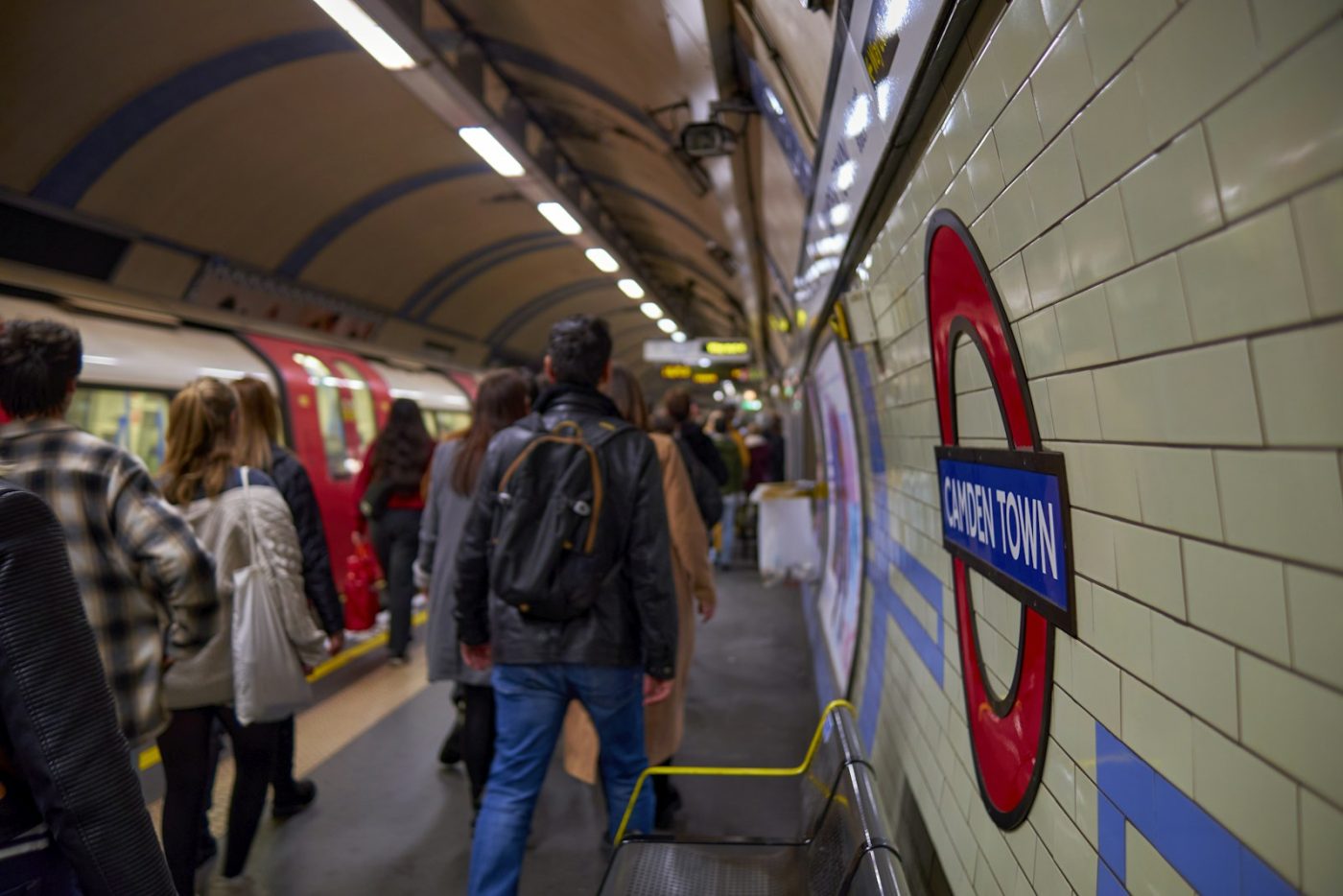
Your travel costs 8.90 pounds a day at most. That is the daily pay as you go cap for Zones 1 and 2, identical at peak and off peak, however many journeys you make. Stop thinking about individual fares, because Londoners do not.
Zone 2 costs exactly the same as Zone 1. Both cap at 8.90. The cap only rises at Zone 3, to 10.50. So the advice about staying further out to save money is about hotel prices, not travel, and it is worth a pound sixty a day.
Buses are 1.75 flat with no zones anywhere in London, they let you change bus free within the hour, and they cap separately at 5.25. Touch in once and you get unlimited buses for an hour. If your hotel is awkward for the tube this changes everything.
Use the same card every single time. This is the one that costs people real money. A phone on Monday, a watch on Tuesday and the plastic card on Wednesday looks like three separate travellers to the system, and none of them reaches a cap. The fares guide has the rest.
The Night Tube runs on Friday and Saturday nights only, on six lines: Central, Jubilee, Northern, Piccadilly, Victoria and Windrush. On a Tuesday your plan is a bus or a booked car. The Night Tube guide covers the sections of those six that do not actually run, which strands people at London Bridge.
Eating: the rule that ruins the most evenings
Last orders are not closing time, and the gap is often over an hour. This is the single most common way to arrive at a London restaurant and not get fed.
Verified examples from this site: Eat Tokyo in Soho stops taking food orders a full hour before the door shuts. Hawksmoor at Borough closes its kitchen up to two hours before the room. Gordon’s Wine Bar stops serving food an hour before it closes. Speedboat Bar publishes its last food order as a separate time from its closing time, and the gap is over an hour.
Read the kitchen hours, not the opening hours. Som Saa publishes kitchen times and shuts the kitchen for three hours every afternoon. Eat Tokyo closes entirely between four and six, Monday to Thursday.
Eating: the loophole
The expensive rooms have a cheap entrance and they do not advertise it. Same kitchen, same room, a fraction of the bill.
Hawksmoor at Borough does three courses for thirty pounds at lunch or early evening. Roka’s set menu is 39.50 and runs at dinner as well as lunch, Monday to Friday, which almost no London set menu does. Umu, a Michelin starred Mayfair kaiseki room, starts at fifty pounds for lunch. The set menu guide covers the pattern.
One warning from the same page: read the supplements. Choosing Roka’s vegetarian robata option adds 9.30 rather than saving you anything.
Booking: the mechanics beat the availability
More people give up on London restaurants over the booking system than over a lack of tables.
Some diaries open on a fixed schedule. Dinings in Marylebone opens exactly one month before the date, so if your date is full you come back a month before the next one. Plates releases its bookings in seasonal windows roughly three months out rather than rolling daily.
Some places have no telephone at all. Speedboat Bar states plainly that it has no telephone contact, so it is online or nothing.
Some take no bookings but will find you. Kiln on Brewer Street takes no reservations whatsoever, but will take your number and message you when a table frees, so the wait is not spent on the pavement.
Check the party size limit before you plan. Plates caps at six and cannot increase a confirmed booking. Speedboat caps at twelve. Plaza Khao Gaeng takes twenty two online. Som Saa runs three separate booking routes by party size, and using the wrong one is the usual reason people conclude it is full.
Money
London is effectively cashless, and the famous exception has gone. The Monument took cash only for years and no longer does. Carry twenty pounds anyway, for market stalls and the odd cab.
A discretionary service charge of 12.5 per cent is normal and will be on the bill. The tipping guide covers when it is already included and what to do about it.
Corkage exists and is rarely published. Noble Rot states 35 pounds per 750ml and asks for notice, through the manage booking link. Speedboat charges the same 35, or 50 for sparkling, and wants the same warning. Most places publish no figure at all, which means you find out at the table.
Cancellation fees are real. Dinings charges 30 pounds a head inside 24 hours and 50 for a no show. Noble Rot charges 50 a head inside six hours. Endo has moved to Chelsea and now publishes neither, releasing two months of tables at nine in the morning on an announced date and taking nothing by email.
The best things are free
The two highest public viewing platforms in London cost nothing. Horizon 22 is on Level 58, is free, and sets no time limit on your visit, where a free Sky Garden ticket is valid for an hour. Sky Garden is free on a booked ticket until 6pm on weekdays and 9pm at weekends, and its bars run to midnight.
The national museums are free, and they are the backbone of a wet day.
The best view in London needs no ticket at all. King Henry’s Mound in Richmond Park has a tree framed sightline to the dome of St Paul’s ten miles east, and the Royal Parks state that it is protected so no new building may impede it. Parliament Hill on Hampstead Heath has no ticket, no gate and no closing time. The views guide ranks them honestly.
Weather, from the thirty year averages
The driest month is March. February is drier than August. The wettest is November. Across the whole year the gap between the driest month and the wettest is less than a factor of two, so London has no wet season to avoid.
It rains on about 112 days a year, fewer than one day in three.
What collapses in winter is light, not rain. December averages 55 hours of sunshine across the month, which is one hour forty six a day. July averages seven hours a day. Plan anything outdoors for the morning in winter. The full month by month breakdown has the table.
What the police actually advise
Do not leave your phone on a table. The Metropolitan Police’s own wording is that thieves can take it from a table in seconds or distract you and take it. In a trip spent in bars and restaurants, this is the line that matters.
Never give your PIN to anyone, even someone claiming to be an undercover police officer. The Met notes this has happened.
Be wary of Soho bars advertising sex shows. That is the Met’s own warning, and their stated reason is very high prices for non-alcoholic drinks served by hostesses, plus charges for the hostess’s company and drinks.
Get your IMEI before you travel. Dial star hash zero six hash and write it down somewhere other than the phone. Turn off lock screen message previews so a thief cannot read your reset codes. The safety guide has the whole of the Met’s published advice.
999 or 112 in an emergency, 101 for non urgent.
Small things that are true
Most London Sunday roasts stop around five, and a good many kitchens will not guarantee one after it whatever time your table says. The Pig and Butcher in Islington runs its roast until nine, which is why it is worth crossing London for. The roast guide explains the timing.
Dress codes still exist in a handful of rooms and are almost never enforced where you expect. The dress code guide covers which.
Check whether a restaurant has two branches under one name. Dinings Marylebone and Dinings SW3 are separately managed companies and a booking cannot be transferred between them.
Venue websites contradict themselves more than you would think. We found four in a single day: Gordon’s on whether it takes bookings, Koya on its Friday closing time, Gauthier on its closing time and Humble Grape on how many wines it lists. When two pages on one site disagree, telephone.
Everything on this page was read from the venue’s, authority’s or force’s own published information and rechecked on 28 September 2026. Fares change in March, restaurant hours change constantly, and police guidance is updated. Confirm before you travel.
Where to go next
The planning decisions in order: when to come, where to stay, what to do with three days and whether the London Pass is worth it.
The practical guides: tube fares, the Night Tube, tipping, dress codes and safety.
The arrival itself: the six airports Gatwick to London, where the operators contradict each other on the journey time by thirty five minutes, and Stansted to London, where they contradict each other on the price four ways, and Heathrow Express, where the fast train costs four times the slow one.
If someone is driving you to the airport, the drop-off charges run from £7 at Heathrow to £27 at Luton, and none of the four airports lets you pay on site.
If you are driving at all, the Congestion Charge covers the £18 a day, the £12.50 ULEZ charge on top of it and the £180 penalty underneath, plus the payment websites TfL warns about on its own site.
And for getting about once you are here, Santander Cycles covers the bike hire pricing, including the two places Transport for London contradicts its own fares.
For the eating: the restaurants guide, set menus and the best views, which are mostly free.
Eating near the stations is the page for a gap between trains, sorted by how long you actually have rather than by how good the food is.
Luggage storage in London covers the gap between the staffed desks and the app networks, which is about tenfold, and the thing neither of them advertises: your own hotel will hold your bags after checkout for nothing.
Questions we get asked
What should you know before visiting London?
Four numbers. Your travel caps at 8.90 pounds a day for Zones 1 and 2, and Zone 2 costs exactly the same as Zone 1. Buses are 1.75 flat with no zones. You must use the same payment card every time or the cap will not recognise you. And the Night Tube runs on Friday and Saturday nights only, on six lines.
What do tourists get wrong in London?
Reading closing time instead of last orders, which is how people arrive at a restaurant and are told the kitchen shut an hour ago. Assuming staying in Zone 3 saves real money, when it saves a pound sixty a day. Paying for viewing platforms when the two highest public ones are free. And paying with a different device each day, which quietly breaks the fare cap.
Is London expensive to visit?
The transport is not: 8.90 pounds a day covers unlimited travel in Zones 1 and 2. The best attractions are free, including both major viewing platforms and every national museum. Restaurants are where it gets expensive, and the fix is the set menu, which at somewhere like Roka is 39.50 for five courses and runs at dinner as well as lunch.
Do you tip in London?
A discretionary service charge of 12.5 per cent is usually already on the restaurant bill, so check before adding anything. It is discretionary, which means you can ask for it to be removed. Tipping is not expected in pubs when you order at the bar, and it is not expected in taxis beyond rounding up.
Do I need cash in London?
Almost never, but carry twenty pounds anyway. London is effectively cashless and some restaurants, including the Michelin starred Plates, accept no cash at all. The Monument, the cheapest paid view in the city, took cash only for years and has now dropped that rule, along with putting its adult ticket up from 4.50 to 7 pounds.
What is the best way to get around London?
Contactless or Oyster on the tube and buses, with the same card each time so the daily cap applies. The cap is 8.90 for Zones 1 and 2 and 5.25 for buses alone. Walking beats both for anything under twenty five minutes in the centre, which is most journeys within the West End and the City.
How far in advance should you book restaurants in London?
It depends on the system rather than the popularity. Dinings opens its diary exactly one month before the date. Plates releases in seasonal windows about three months out. Kiln and Koya Soho take no bookings at all. Speedboat books online only, up to three months ahead, and has no telephone number. Check the mechanism before you assume it is full.
Written by Robert J Wills, no. 104 in the guide.
Last checked 28 September 2026 against the venues' own published information. Nobody pays to appear here and we take no bookings.