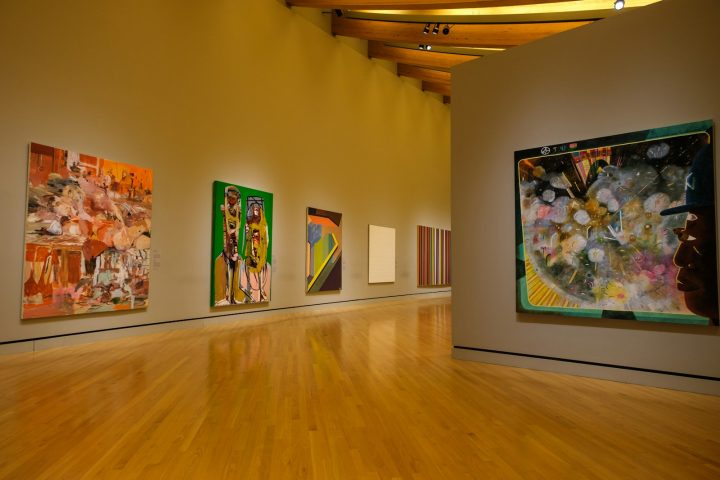
The National Gallery is free and stays open until 9pm on a Friday. The Courtauld, a fifteen minute walk down the Strand, charges £14 for its permanent collection. Both are world class, and one of them costs nothing.
The Courtauld is still worth the money, for reasons below. But the pricing of things to do in central London is not related to the quality of what you are looking at, and the free things are not the consolation prize.
Central London is also small, which is the thing most visitors get wrong. Covent Garden to Mayfair is a twenty minute walk, and almost everything worth doing sits inside a rectangle you could cross on foot in under an hour. This is Zone 1 only, sorted by how far you are willing to go.
Zone 1, priced
The quickest way to plan central London is to see the whole thing costed at once, because the prices are not related to the quality and nobody lays them out side by side. Checked against each institution’s own published information and rechecked on 28 September 2026.
| What | Cost | The catch |
|---|---|---|
| The National Gallery | Free | Open until 9pm on a Friday. Only the temporary exhibitions charge |
| Horizon 22 | Free | Level 58, the highest free platform in the city, and no time limit once you are up |
| Sky Garden | Free | Free but ticketed, and the slots go weeks ahead |
| The national museums | Free | Permanent collections only. The blockbuster in the side gallery is the part you pay for |
| Borough Market | Free to walk | Check the trading day. The full market and the quiet market are different places |
| A West End play | From £13 | Four plays sat at that price in September. Musicals start at £18 |
| Royal Academy, the free displays | Free | Runs alongside the ticketed shows and almost nobody knows it exists |
| Royal Academy, a ticketed show | £15 | Friends of the RA go free |
| The Courtauld | £14 | Worth it, but fifteen minutes from a free collection of the same rank. The £16 ticket adds a donation |
| Tate Modern, a ticketed show | £25 | £5 if you are 16 to 25, through Tate Collective, which is free to join |
Six of the ten cost nothing. That is the shape of central London and it is the opposite of how it is usually sold, because the free things pay no commission and the ticketed ones do.
The single biggest saving on that list is the Tate one. A £25 exhibition ticket becomes £5 if you are between 16 and 25, which is eighty per cent off and takes about a minute to arrange. Our exhibitions guide has the rest of it, including which shows are running and the date each one closes.
The second biggest is a view. Horizon 22 and Sky Garden are both free and both in the same square mile as the paid platforms. The views guide ranks all of them by what you have to arrange rather than what you have to pay.
Things to do in central London if you have half a day
Start at the National Gallery, Trafalgar Square, WC2N 5DN. Free to visit, open daily 10am to 6pm, and until 9pm on Friday. It closes only on 24, 25 and 26 December and 1 January. Unlike most great collections you can do the highlights in ninety minutes without feeling cheated, and it is one of the free things to do in London that is better than most of what charges.
You can book a free ticket for fast-track entry, which is the detail worth having on a Saturday or in half term. It costs nothing and it is the difference between walking in and standing on the steps. The Friday 9pm close is the other one: the building is a different place at half past seven.
Walk out into Trafalgar Square, down Whitehall, and you have the whole of official London in one straight line.
Then cross the river at Westminster and walk back along the South Bank to Waterloo. It is the best flat walk in the city, the views are free, and there is a second-hand book market under Waterloo Bridge that has been there for decades.
If you want art without the crowds
The Courtauld at Somerset House is the one to know. A small, extremely good collection, and quiet in a way the National Gallery never is. An adult ticket to the permanent collection is £14, or £16 with a voluntary donation, and it is open Monday to Sunday 10:00 to 18:00 with last entry at 17:15.
Read the concessions before you pay, because a lot of people walk in free and do not know it. Entry is free for anyone 18 and under, for students, for people on Universal Credit or Pension Credit, for a disabled visitor’s companion, and for Art Fund, ICOM, teacher and Museums Association cardholders. Everyone else should pick the plain £14 adult ticket unless they mean to give, because the booking page lists the £16 donation ticket first. Tickets are sold online and at the desk every day, so you do not have to book, though a timed ticket bought ahead guarantees your slot. The audio guide is free on Bloomberg Connects, in the app or a browser, and you need your own headphones.
The Wallace Collection in Marylebone is the other one, and it is the free answer to the same question: a Georgian townhouse full of armour, Old Masters and furniture, with a glazed courtyard restaurant in the middle. Entry to the permanent collection is free and it is open daily from 10am. The Wallace is a seven minute walk from Bond Street station, and neither is ever as crowded as the national galleries.
The neighbourhoods, in order of usefulness
Soho is where you eat and drink. Dense, small, and best explored on foot with no plan. Everything is within four streets of everything else.
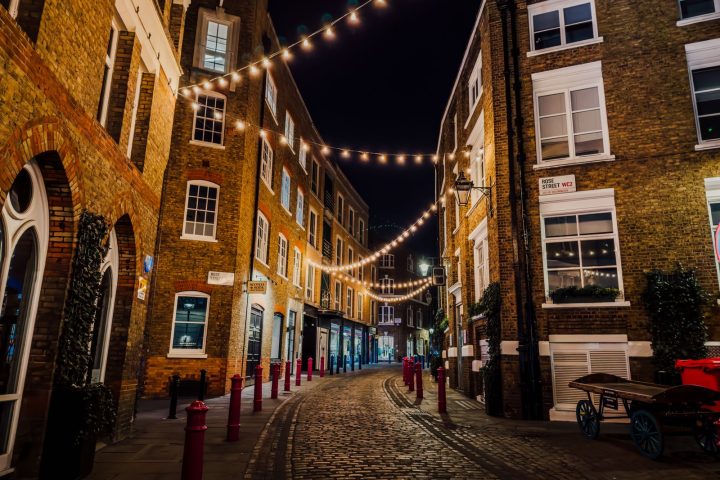
Covent Garden is a tourist trap at its centre and genuinely good around the edges. Skip the piazza with the street performers, walk two streets north to Seven Dials and Neal’s Yard, and it becomes a different place.
Mayfair and St James’s are for a particular kind of evening: hotel bars, old shops, jacket required. Quiet at night in a way central London usually is not. Our best bars guide is heavily weighted to this part of town for a reason.
Marylebone is the one Londoners recommend and visitors never reach. A high street that still has independent shops, the Wallace Collection at one end, and Regent’s Park at the other.
Parks, which are better than you expect
St James’s Park is the prettiest and has the best view in London from the bridge across the lake: Buckingham Palace one way, the towers of Whitehall the other. Green Park is next to it and is essentially a large collection of deckchairs. Regent’s Park is the grandest, and the rose garden in the inner circle in June is worth a detour from anywhere.
What to skip
The London Eye. Long queue, high price, and the view is largely of a city that looks better from the ground.
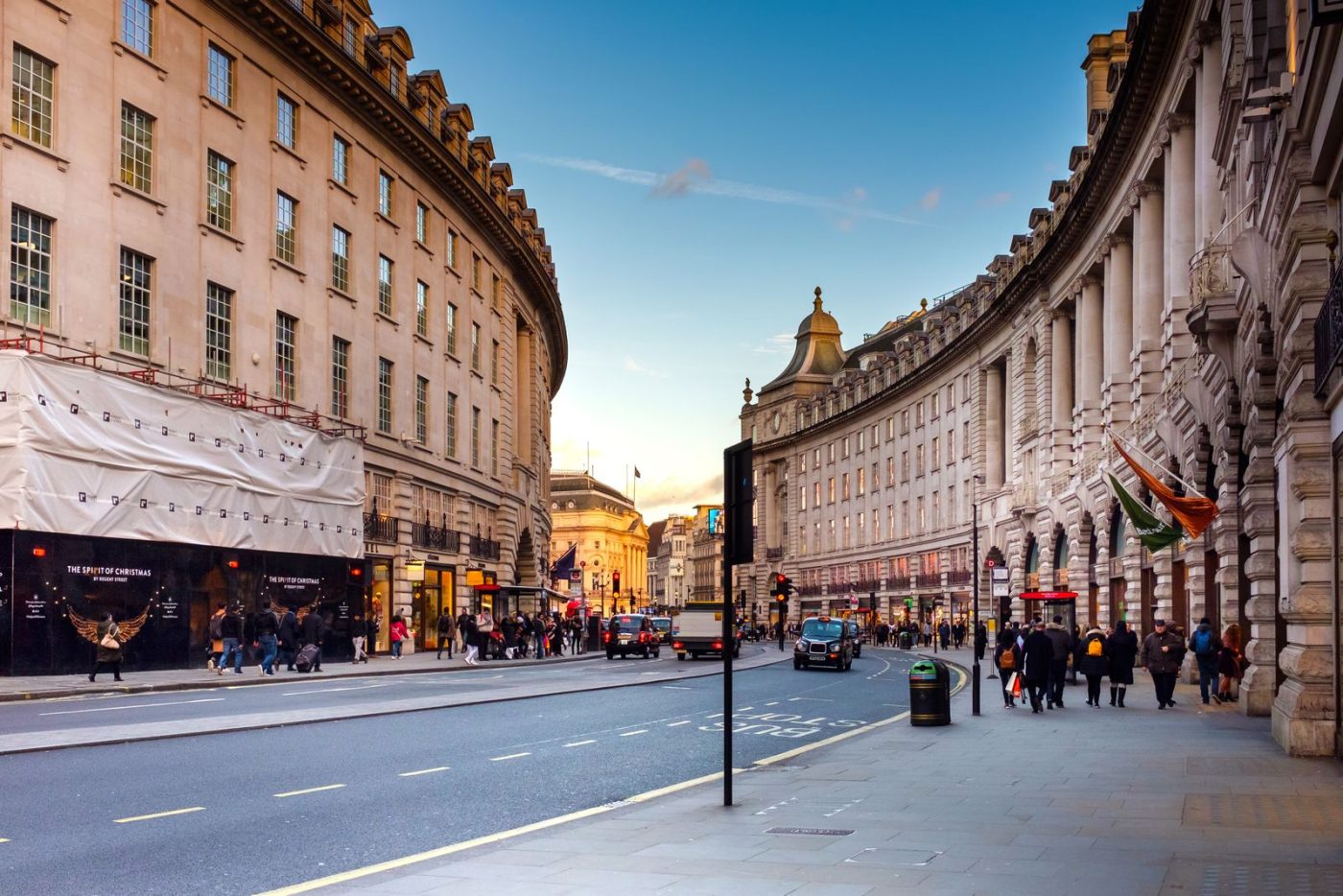
Oxford Street. There is nothing there you cannot get elsewhere with less shoving. If you want to shop, Regent Street crosses it at Oxford Circus, Jermyn Street is a quarter of an hour south, and both are considerably more pleasant.
Leicester Square. Walk through it. Do not stop.
Getting around
Walk more than you think. Central London Tube journeys are often slower than walking once you count the stairs and the platform. Covent Garden to Leicester Square is one stop and about four minutes on foot.
Contactless works everywhere. Tap in and out with a card or phone, no ticket needed, and the daily cap means you cannot overspend.
The buses are better for sightseeing than any tour bus, and two routes do most of the work for the price of a normal fare. The 15 runs Trafalgar Square to Blackwall, which takes you along the Strand and Fleet Street, past St Paul’s and the Monument and out to the Tower. That is the good one, and it is the closest thing to a sightseeing tour that costs a bus fare.
The 11 has been cut back and now runs Fulham Town Hall to Waterloo, so the old ride across the City to Liverpool Street is gone. What is left is still useful: the King’s Road, Sloane Square, Victoria, Westminster Cathedral and the Abbey, then over Westminster Bridge to County Hall. If you read somewhere that the 11 crosses the City, that guide has not been updated.
Where to end up
Central London empties out after the theatres go in. If you want somewhere to be at eleven, Soho is the answer and essentially always has been. If you want somewhere quieter, the hotel bars in Mayfair and St James’s keep going and are at their best once the early evening crowd has left.
For the version of this that goes further afield, cool things to do in London covers the neighbourhoods outside Zone 1 that are worth the journey. For the genuinely strange, try unique things to do in London. Both sit under our main guide to what to do in London.
Things to do near me covers what that search actually returns, and why proximity is the least useful way to choose in a city this dense.
Where to go next
Regent Street Cinema runs a classic matinee every Monday at 1pm, with an organ recital before it on the first Monday of the month.
Buckingham Palace has free Changing the Guard on three mornings a week and 100 pound tours out of season.
The Barbican Centre is free to walk around until 11pm, and the National Theatre has ten pound tickets every Friday.
The Tower of London, the Natural History Museum and London Zoo each have a page with the prices read off their own sites.
The clearest example of that last answer is the view. Horizon 22 is free, sits on Level 58 of the tallest building in the City, and puts no time limit on your visit, where a free Sky Garden ticket is valid for an hour. The best views in London ranks six of them, four free, against the Monument at 7 pounds, which is still the cheapest paid view in the city and no longer takes cash only.
Free things to do in London covers the rest, and the London Pass arithmetic covers why a sightseeing pass is worth it for some trips and not for this one.
Immersive experiences are the wet weather booking in Zone 1, where booking ahead saves up to 20 per cent and the walk up price is the penalty rate.
To turn this into an actual plan: three days arranged by geography, and the practical tips.
The prices, opening hours and bus routes above were taken from each operator’s own published pages and rechecked on 28 September 2026, the routes from Transport for London’s own route data. Galleries change their admission every year and bus routes change without notice, so confirm before a special journey.
Questions we get asked
Where is central London?
In practice it means Zone 1, which is the ring the Underground charges its highest fare for and roughly the area inside the Congestion Charge boundary. It covers the City of London and the City of Westminster and the inner edges of Camden, Islington, Southwark, Lambeth and Kensington and Chelsea. The useful part is how small it is: Covent Garden to Mayfair is a twenty minute walk.
What is considered central London?
Zone 1, for any practical purpose. There is no single legal definition and the official ones disagree, which is why you will see the boundary drawn differently everywhere. If a place is inside Zone 1 it is central London, and if it is not, somebody is stretching the word to sell you something.
Is Canary Wharf central London?
No. It is Zone 2, on the Isle of Dogs in Tower Hamlets, about three miles east of Bank. It looks central because of the towers and it is quick to reach on the Jubilee and Elizabeth lines, but it sits well outside the Zone 1 ring. Our Canary Wharf guide covers it on its own terms.
Is central London safe?
Yes, with the ordinary caution any busy city centre deserves. It is crowded, well lit and policed, and you will rarely be alone on a street. The genuine risks are opportunistic rather than confrontational: pickpocketing in tourist crowds and phone snatching near main roads, both of which are far less likely if your phone is in a pocket rather than in your hand.
What can you do in central London in half a day?
One gallery and one neighbourhood, not four sights. The National Gallery is free, opens daily 10am to 6pm and until 9pm on Friday, and you can take an hour of it rather than a day. Book the free fast-track ticket if you are going at a weekend. The walk out of it puts you within twenty minutes of most of Zone 1, and trying to do more is how people spend an afternoon on the Underground.
Where can you see art in London without the crowds?
The Wallace Collection in Marylebone, where entry to the permanent collection is free, it opens daily from 10am, and a major collection is hung in a house rather than a museum. The Courtauld at Somerset House is the other, and it is quieter still, but it charges 14 pounds for an adult, or 16 with a donation, and opens daily 10:00 to 18:00 with last entry 17:15. Anyone 18 or under and any student gets into the Courtauld free. The big national galleries are free too, but the smaller houses are where you can stand in front of something for five minutes.
What is the best way to get around central London?
Walk, and take the bus when you cannot. Contactless works everywhere with no need for a ticket or an app, and the ordinary red buses beat any tour bus because they go where people actually go and cost a fraction of the price. The 15 is the route to know, running Trafalgar Square to Blackwall by way of the Strand, Fleet Street, St Paul’s, the Monument and the Tower. The 11 now terminates at Waterloo rather than crossing the City, so older guides describing it are out of date.
What should you skip in central London?
The paid attractions clustered around the river that exist because the footfall is there rather than because they are good. Every one of them has a free alternative within a twenty minute walk, and the free one is usually the better afternoon.
Written by Robert J Wills, no. 09 in the guide.
Last checked 28 September 2026 against the venues' own published information. Nobody pays to appear here and we take no bookings.