Kew Gardens costs £1 if you are on a qualifying benefit. The standard adult ticket is £25.
And the £1 is not just for you. Kew’s own wording:
“Each benefit holder is entitled to one Universal Credit adult ticket each. Visitors may also bring one additional adult guest (16 years or older) and up to four children (4 to 15 years) for the same admission per person.”
Read that again, because it is the single best-value line in London. Six people for £6. Two adults and four children, all at £1 each, with under-4s free on top.
The same six people paying standard prices online in peak season would pay £25 plus £25 plus four child tickets at £2, which is £58. At the gate it is more.
This page is the list of what every major London attraction actually charges on benefits, checked on 6 October 2026, and the rules that catch people out.
The one rule that applies almost everywhere
Before the list, the thing that wastes more trips than anything else.
Nearly every one of these schemes is online-only, in advance. The ticket desk sells full price.
London Zoo puts it as bluntly as anyone: “Only full price tickets are available to buy at the gate, so please do not travel to the zoo without a ticket even if you are eligible for reduced price entry.”
WWT says the same: “only full price tickets are available for purchase at our admission desks on arrival.”
So turning up and asking is the one approach that never works. Book before you leave the house.
The second rule: most of these are capped in number and released by date. If a date shows nothing, try another date rather than assuming the scheme has ended.
What each place charges
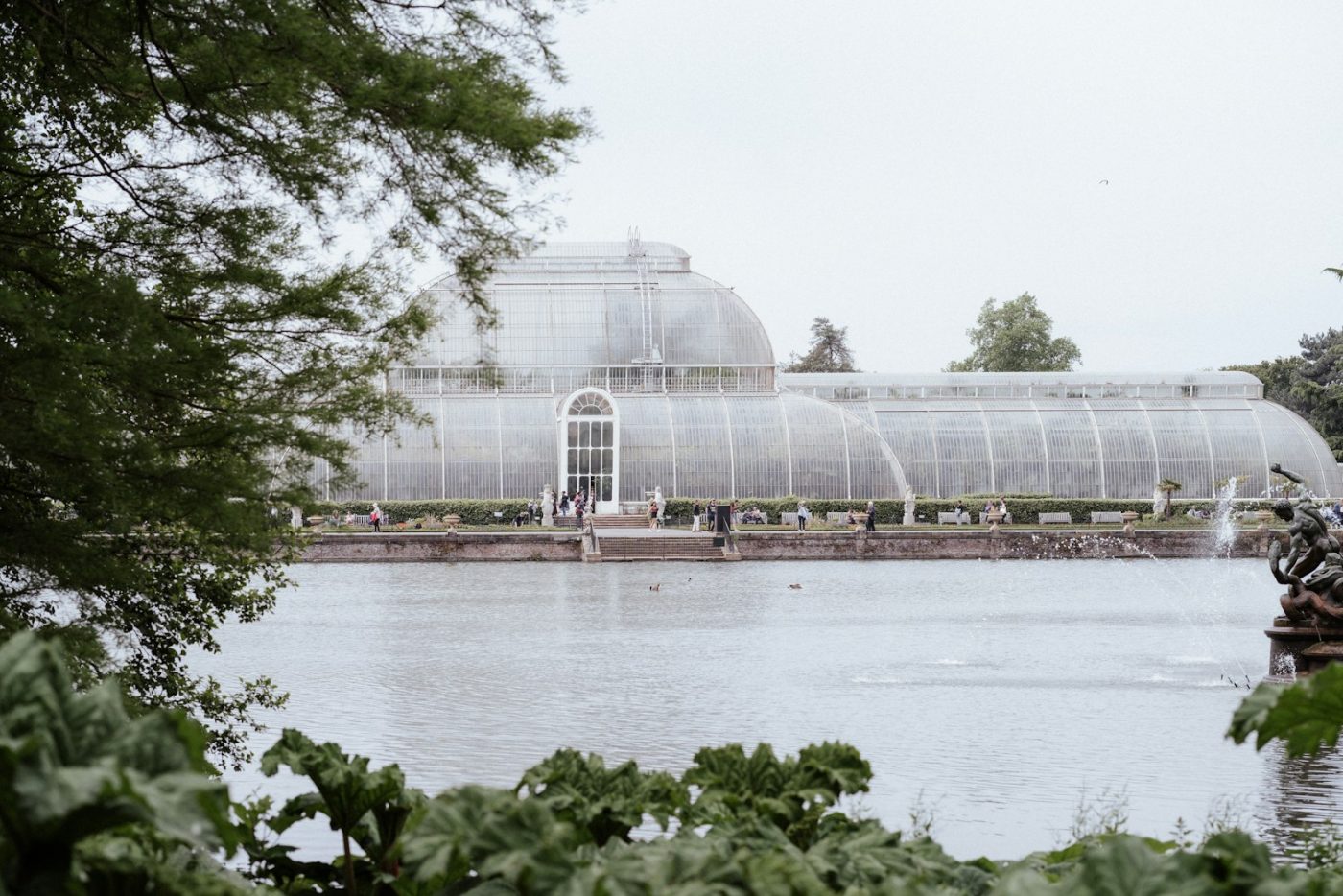
Kew Gardens: £1
£1, or £2 with the optional donation, from 5 October 2026. Against a standard adult of £25 online in peak season (2 September to 31 October) or £17 off-peak (1 November to 31 January).
Covers the benefit holder, one additional adult guest aged 16 or over, and up to four children aged 4 to 15, all at £1 each. Under-4s need no ticket.
The accepted proof list is worth reading carefully, because the section is headed “Universal Credit and Pension Credit” but the documents it names are these:
“Personal Independence Payment (PIP), Disability Living Allowance, Housing Benefit, Income-related Employment and Support Allowance (ESA), Income-based Jobseeker’s Allowance (JSA), Child Tax Credits (CTC), Working Tax Credits (WTC), Income Support, Application registration card (ARC).”
Bring one of those on arrival. An ARC card, held by people in the asylum system, is on the list, which very few attractions include.
Separately, and open to everyone: £10 Tuesdays, every Tuesday from 8 September to 29 December 2026, valid for Tuesday entry only. If you do not qualify for the £1 ticket, that is the cheapest Kew gets.
Royal Museums Greenwich: £3
£3 tickets on Universal Credit across the Greenwich sites and exhibitions.
Against standard prices of £24 for the Royal Observatory and £22 for Cutty Sark, with a Day Pass covering both at £38.
Two things to know. The National Maritime Museum and the Queen’s House are free to everyone anyway, so the £3 matters for the Observatory and Cutty Sark specifically.
And a deadline: the Royal Observatory closes on 2 November 2026 for a refurbishment project. If the Prime Meridian is the thing you want, the window is short.
HMS Belfast: £3 for up to five people
Imperial War Museums state it plainly:
“UK residents on Universal Credit, Pension Credit and other named benefits can buy tickets to HMS Belfast for £3 for up to five members of their household. These must be booked online, in advance.”
Five people for £15. IWM recommend allowing at least three hours for the nine decks, and many visitors stay half a day.
London Transport Museum: £5 for a whole year
This is the one people miss, because it is not a day ticket.
Universal and Pension Credit annual pass: £5.00. Against a standard adult annual pass of £27.00, a concession at £25 and a local resident rate of £21.60.
It is an Unlimited Annual Pass, giving twelve months of visits, not one entry. And on every tier at this museum, children and under-18s go free.
So a parent on Universal Credit pays £5 once and takes the children back as often as they like for a year. Nothing else in London comes close on a per-visit basis.
You still need a free timed ticket for each day you visit, and you can only hold one at a time.
London Wetland Centre: £5 adult, £3 child
Against £19 and £12.35 at the desk. Two adults and two children come to £16 instead of £53.45.
The eligibility list is the widest we found, covering Universal Credit, Working Tax Credit, Child Tax Credit, Employment and Support Allowance, Income Support, Jobseeker’s Allowance and Pension Credit.
Up to 6 people living at the same address, with no more than 3 adults. You tick a box to confirm when booking, with no paperwork at the gate. Full detail on our London Wetland Centre page.
London Zoo: reduced price, with the strictest proof rules
London Zoo runs a scheme but does not publish the price on its information page, so book through their site to see it. What it does publish is a tighter set of conditions than anywhere else here.
Eligible: Universal Credit, Pension Credit, New Style Employment and Support Allowance, or New Style Jobseeker’s Allowance. Note “New Style” on both ESA and JSA, which is narrower than the Wetland Centre’s list.
Up to six people per household, all living at the same address. Under-3s free and do not book, but must come with a booked adult.
The proof rules are the part to prepare for:
“You will need to bring proof of eligibility with you and show this when you present your ticket(s) to our friendly staff at the admissions gate. This can either be by logging into your Universal Credit portal or by bringing your proof of benefit letter (one proof per household). To be eligible you must have received a qualifying benefit payment within the last month and you may also be asked to show photographic ID.”
So: a payment within the last month, proof at the gate, and possibly photo ID. Logging into the portal on your phone counts, which is useful if you have no letter.
Two practical warnings from the zoo itself. Tickets are allocated flexibly based on expected visitor numbers, so sold-out dates are normal. And “please be prepared to queue to enter the Zoo, especially at peak times like weekends and during school holidays”, with their own advice being to arrive later in the day or go off-peak.
Worth knowing while you are there: you are welcome to bring your own food and drink, the site is cashless, and shop souvenirs start at £1.
Foundling Museum: free, and the ticket lasts a year
The best single entry on this page for anyone claiming, because it is free and it does not expire after one visit.
The price list names “Government benefits claimant (selected): Free” outright, against a £14.50 adult ticket.
And every ticket at the Foundling, paid or free, carries the same term: “Your ticket is valid for a whole year from the date of purchase, so you can visit us as many times as you like.”
So a free benefits ticket is a free annual pass. Separately, the museum admits care-experienced individuals free, and anyone 21 and under free. Full detail on our Foundling Museum page.
Garden Museum: £9 if you are unemployed
Worth including because of how it is worded. Most museums offer a vague concession; the Garden Museum lists “Unemployed: £9” on its price board, at the same rate as a student, against an adult ticket of £16.
A National Art Pass brings it to £8, which is cheaper still, and carers go free. See the Garden Museum page, and check its amended opening dates before travelling.
Whitechapel Gallery: free, or £9.50
Most of the gallery is free all the time. The one ticketed exhibition each season is £9.50 for concessions, which explicitly include Universal Credit recipients, against £16.50 standard.
But you probably do not need it. Every Thursday from 6pm to 9pm the ticketed show is Pay What You Can, which beats the concession rate for anyone who can come on a Thursday evening. See the Whitechapel Gallery page.
Leighton House: £10, or free on the first Monday
Concessions are £10 against £14, and the list explicitly includes job seekers alongside students of any age, 18 to 25 year olds and disabled visitors.
Again, there is a better route. Pay What You Want runs on the first Monday of each month, 10am to 1pm, and you may pay nothing at all. At the door only, and not on Bank Holidays. See the Leighton House page.
Where there is no individual scheme
This matters as much as the list above, because people spend a long time looking for something that does not exist.
The Tower of London has no Universal Credit ticket. Nor do Hampton Court Palace or Kensington Palace. Historic Royal Palaces runs a Community Access Scheme instead, and it works completely differently:
It is free, but it is for community groups rather than individuals. Groups must be based in Tower Hamlets, City of London, Southwark, Lewisham, Greenwich, Newham or Enfield. A group leader has to complete compulsory Group Leader Training, and visits must be pre-booked at least three weeks in advance through the Community Partnerships team.
What you get is substantial: free tickets covering the Tower, Hampton Court, Kensington Palace and Hillsborough Castle, plus Entry Cards letting group members return to the palace independently after the first group visit.
So if you belong to a community or adult learning group in one of those boroughs, this is better than any discount on this page. If you are an individual, the Tower is full price.
The things that are already free
Before paying anything, London’s largest museums charge nobody.
The British Museum, the Natural History Museum, the Science Museum, the V&A, the National Gallery, the National Portrait Gallery, the Imperial War Museum, the National Maritime Museum and the Queen’s House all have free permanent entry.
Our free museums page and free things to do in London cover the rest.
What to have ready before you book
Across all the schemes above, these are the recurring requirements.
A recent benefit payment. London Zoo requires a qualifying payment within the last month. Others do not state a window, but a current letter is safest.
Proof in a form they accept. Either a proof of benefit letter, or the ability to log into your Universal Credit portal on your phone at the gate. One proof per household is normal.
Photographic ID, which London Zoo says you may also be asked for.
Everyone at the same address. The household rules at the zoo and the Wetland Centre both specify it.
A card. London Zoo is cashless, and several of these sites are.
How to get a proof of benefits letter: both London Zoo and the DWP publish guidance on requesting one through your online account.
How to plan it
Best value overall: Kew at £1, for up to six people, with under-4s free on top.
Best value over a year: London Transport Museum at £5, which is an annual pass with children free.
Free and also a year long: the Foundling Museum, whose tickets all last twelve months.
Book online, always. The gate sells full price everywhere.
A date showing nothing is not a closed scheme. Try another date.
Royal Observatory: go before 2 November 2026, when it closes for refurbishment.
Thursday evening: Whitechapel Gallery is Pay What You Can.
First Monday of the month: Leighton House is Pay What You Want.
Tower of London: no individual scheme. Community groups in seven boroughs go free.
Bring your own food. London Zoo says so explicitly, and it is the largest hidden cost of a day out.
Where to go next
Free things to do in London covers what costs nothing at all, and free museums lists the permanent collections.
The London Wetland Centre, Leighton House and the Whitechapel Gallery have the full detail on their own schemes.
Questions we get asked
What days out can you get on Universal Credit in London?
Several of the biggest attractions run reduced-price schemes. Kew Gardens is £1 and covers the benefit holder plus one adult guest and up to four children at £1 each. Royal Museums Greenwich, covering the Royal Observatory and Cutty Sark, is £3. HMS Belfast is £3 for up to five people in a household. London Transport Museum is £5 for a full annual pass. The London Wetland Centre is £5 for adults and £3 for children. London Zoo runs a reduced-price scheme for up to six people per household. Nearly all of them must be booked online in advance, because the ticket desk sells full price only.
How much is Kew Gardens on Universal Credit?
£1, or £2 with the optional donation, against a standard adult ticket of £25 online in peak season. The £1 rate also covers one additional adult guest aged 16 or over and up to four children aged 4 to 15, so six people can enter for £6, with under-4s free. Accepted proof includes PIP, Disability Living Allowance, Housing Benefit, income-related ESA, income-based JSA, Child Tax Credits, Working Tax Credits, Income Support and an Application Registration Card.
Can you get cheap London Zoo tickets on Universal Credit?
Yes. London Zoo offers reduced-price tickets to people receiving Universal Credit, Pension Credit, New Style Employment and Support Allowance or New Style Jobseeker's Allowance, for up to six people per household at the same address. They must be booked online in advance because only full price tickets are sold at the gate. You must bring proof at the admissions gate, either by logging into your Universal Credit portal or with a proof of benefit letter, must have received a qualifying payment within the last month, and may be asked for photo ID.
Do you need proof for Universal Credit tickets?
At most places, yes, and at the gate rather than at booking. London Zoo requires either a login to your Universal Credit portal or a proof of benefit letter, one per household, with a qualifying payment received in the last month, and may ask for photo ID. Kew requires one of a named list of benefit documents on arrival. The London Wetland Centre is the exception: you tick a box when booking online and nothing is checked at the gate.
Is the Tower of London free on Universal Credit?
No. Historic Royal Palaces has no individual benefit ticket for the Tower, Hampton Court or Kensington Palace. It runs a Community Access Scheme instead, which gives free entry to community groups based in Tower Hamlets, City of London, Southwark, Lewisham, Greenwich, Newham or Enfield. A group leader must complete compulsory training and book at least three weeks ahead, and group members then receive Entry Cards allowing independent return visits.
What is the cheapest day out in London on benefits?
Kew Gardens at £1 a head for up to six people is the biggest single saving, against a £58 standard price for the same group. But over a year the London Transport Museum is cheaper still: a £5 Universal and Pension Credit annual pass against £27 standard, giving unlimited visits for twelve months, with children and under-18s free on every tier. Before paying anything, the British Museum, Natural History Museum, Science Museum, V&A, National Gallery, National Portrait Gallery, Imperial War Museum and National Maritime Museum are all free to everyone.
Can you buy Universal Credit tickets on the day?
Almost never. These schemes are online and in advance across the board, and the ticket desk sells full price. London Zoo warns in terms not to travel without a ticket even if you are eligible. Tickets are also capped and released by date, so if your chosen day shows nothing available, the scheme has not ended, that date is simply full.
Written by Robert J Wills, no. 383 in the guide.
Last checked 6 October 2026 against the venues' own published information. Nobody pays to appear here and we take no bookings.