The South Bank is the stretch of riverside most people walk along without going into anything, which is a waste, because a good deal of what is there costs nothing.
The Southbank Centre runs a standing programme of free exhibitions and events, and it is not a token one. Checked on 5 October 2026, the free listings included a Quentin Blake installation across the whole site, a free exhibition inside the Hayward Gallery, and a free evening event in the Royal Festival Hall.
And on Level 5 of the Royal Festival Hall there is the National Poetry Library, which holds the world’s largest public collection of modern poetry and which almost nobody walking past knows is there.
What is free right now
These are the dated free events published at the time of checking. The programme turns over, so treat them as the shape of the thing rather than the whole list.
Quentin Blake: The Southbank Parade, 6 October to 8 November 2026, across the whole site. The illustrator’s installation celebrating the 1951 Festival of Britain, which is the event the Southbank Centre was built for.
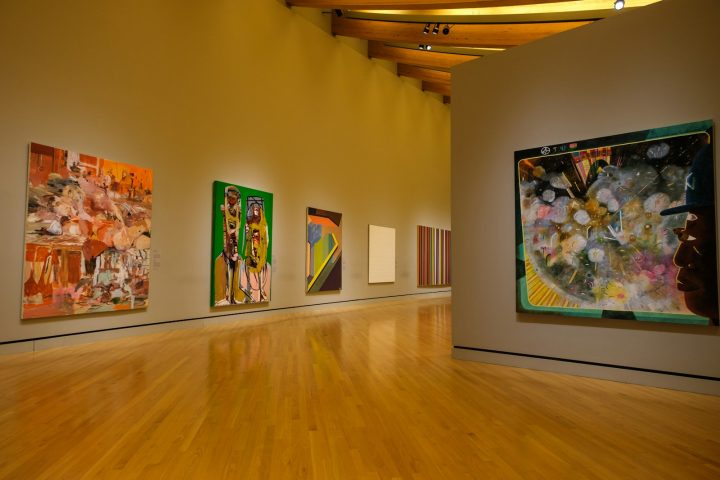
Musquiqui Chihying: A Life of Navigation, Hayward Gallery, 6 to 18 October 2026. A free multimedia exhibition inside a gallery whose main shows are ticketed, which is the detail worth knowing: the Hayward is not an all-or-nothing ticket.
Koestler Arts: Rock, Paper, Scissors, Queen Elizabeth Hall, 16 October to 29 November 2026. Work by people in criminal justice settings.
Creative Encounters: Poetry and Ink, the Clore Ballroom, 21 October at 6pm, a free workshop making a collaborative visual poem.
Wavelengths, Royal Festival Hall, 22 October at 5.45pm, a free night of live performance and workshops aimed at under-25s.
The venues, and which is which
The site has been here since 1951 and the names are not interchangeable.
The Royal Festival Hall is the oldest and largest building, with the biggest auditorium, and is the leading classical music venue in London.
The Queen Elizabeth Hall holds the second auditorium, and takes talks, gigs, dance and classical music.
The Purcell Room is the small one, for literature, poetry, jazz and electronic music.
The Hayward Gallery is the contemporary art gallery, and the building people photograph without knowing its name.
Inside the Royal Festival Hall there is also the National Poetry Library on Level 5, and the Clore Ballroom on Level 2, which hosts music, talks and workshops and is where a lot of the free programme happens.
There is no single opening time
Worth saying plainly, because people look for one. The Southbank Centre publishes no site-wide opening hours. Each venue runs to its own programme, and the foyers, the gallery and the halls all work differently.
The practical approach is to look at what is on for the day you are going rather than at an opening time, and to use the foyers, which are open and usable without a ticket, as the default.
Getting there, including by boat
Waterloo is 200 metres away, on the Northern, Bakerloo, Jubilee and Waterloo and City lines. Embankment is 600 metres, over Hungerford Bridge.
Fifteen bus routes stop on Waterloo Bridge, 100 metres away: the 1, 59, 68, 76, 139, 172, 176, 188, 243, 341, SL6 and the N1, N68, N171 and N343 at night. Another six stop on York Road, 500 metres off.
For trains: Waterloo, Waterloo East and Blackfriars on this side of the river, Charing Cross on the other.
By river, the RB1 stops at London Eye Waterloo Pier every 20 minutes on weekdays, and it accepts Oyster. The Circular Cruise between Westminster and St Katharine’s stops at Festival Pier instead.
What else is on the walk
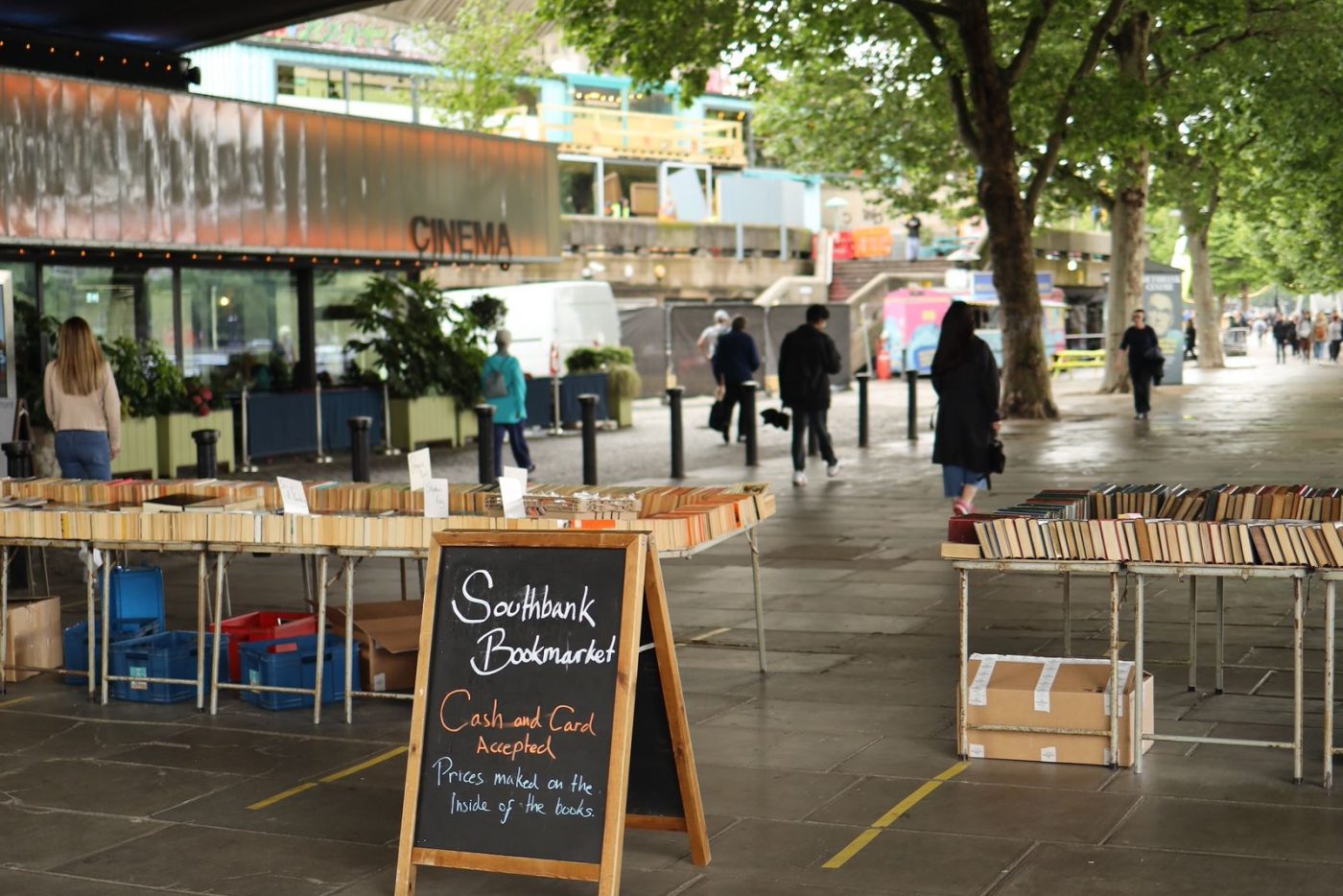
The stretch from Westminster Bridge to London Bridge takes in the London Eye, the Southbank Centre, the National Theatre, the BFI, Tate Modern and Borough Market, and it is walkable end to end in under an hour.
The National Theatre is a few minutes east, and its backstage tours and foyers are worth the detour. The London Eye is at the western end, and Borough Market at the eastern.
The free museums page covers Tate Modern and the rest of the national collections.
How to plan it
With no money: the foyers, the free exhibitions and the National Poetry Library, which together make a real afternoon.
With an evening: check the free programme first, because a free event in the Royal Festival Hall is a better night than a paid one somewhere worse.
Arriving: Waterloo, at 200 metres, or the river bus to Waterloo Pier if the weather is good.
Southbank Centre
- Address
- Belvedere Road, London SE1 8XX, on the South Bank between Hungerford and Waterloo bridges
- Nearest
- Waterloo, 200 metres. Embankment 600 metres over Hungerford Bridge. Fifteen bus routes stop on Waterloo Bridge, 100 metres away. The RB1 river bus stops at London Eye Waterloo Pier every 20 minutes on weekdays and takes Oyster
- Hours
- No site-wide opening time is published. Each venue runs to its own programme
- Booking
- Free events are listed and booked through the venue
- Price
- Free to walk into, with a standing programme of free exhibitions and events alongside the ticketed ones
- Standing
- On this site since 1951, with the Royal Festival Hall, Queen Elizabeth Hall, Purcell Room and Hayward Gallery
How to get in
The National Poetry Library, on Level 5 of the Royal Festival Hall, holds the world’s largest public collection of modern poetry. The Hayward Gallery runs free exhibitions alongside its ticketed ones.
Where to go next
The National Theatre is a few minutes east along the river, and the London Eye is at the other end.
The free museums cover Tate Modern, and Borough Market is where the walk ends.
Questions we get asked
Is the Southbank Centre free?
It is free to walk into, and it runs a standing programme of free exhibitions and events alongside its ticketed ones. The Hayward Gallery also shows free exhibitions at the same time as its ticketed ones, so it is not an all-or-nothing ticket.
What are the Southbank Centre opening times?
There is no site-wide opening time published. Each venue runs to its own programme, so check what is on for the day you are going rather than looking for a single opening hour. The foyers are usable without a ticket.
What is the National Poetry Library?
The world's largest public collection of modern poetry, on Level 5 of the Royal Festival Hall at the Southbank Centre. It is free and most people walking the South Bank do not know it is there.
What is the nearest station to the Southbank Centre?
Waterloo, 200 metres away, on the Northern, Bakerloo, Jubilee and Waterloo and City lines. Embankment is 600 metres over Hungerford Bridge, and fifteen bus routes stop on Waterloo Bridge, 100 metres away.
Can you get to the South Bank by boat?
Yes. The RB1 river bus stops at London Eye Waterloo Pier every 20 minutes on weekdays and accepts Oyster. The Circular Cruise between Westminster and St Katharine's stops at Festival Pier.
What is there to do on the South Bank?
The Southbank Centre, with its free exhibitions and the National Poetry Library; the Hayward Gallery; the National Theatre; the BFI; Tate Modern; the London Eye at the western end and Borough Market at the eastern. The whole walk takes under an hour.
Written by Robert J Wills, no. 223 in the guide.
Last checked 5 October 2026 against the venues' own published information. Nobody pays to appear here and we take no bookings.