Locations
London by neighbourhood: where to eat, drink and stay in Soho, Canary Wharf and Notting Hill, with the streets that matter and the ones to skip.
Central
4 guidesWalking distance from each other and from the theatres. These are the postcodes that fill between seven and nine, where the table you want needs booking and the one you settle for does not.
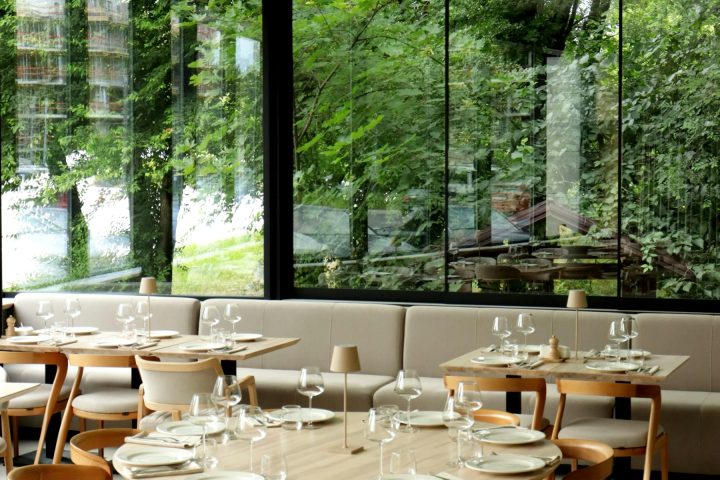
Marylebone, London: The Wallace, Daunt and the Sunday Market
The best high street in London, a free national collection behind Oxford Street, a Sunday farmers' market and 5 pound concert tickets for under 35s. What to do in Marylebone.
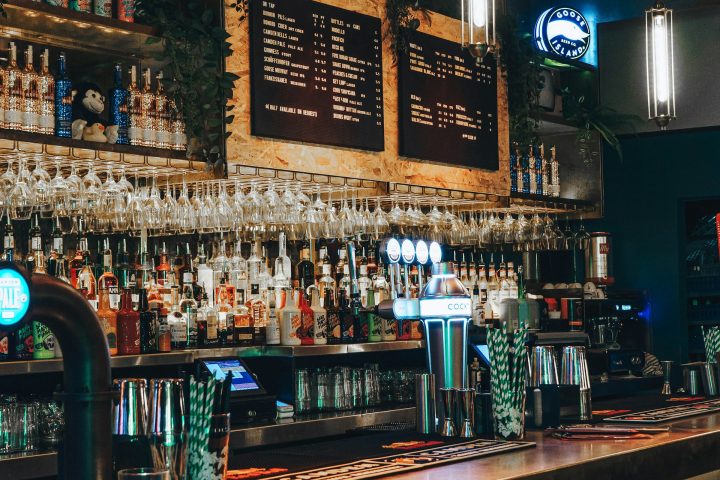
Mayfair Bars and Restaurants: Drink Where You Cannot Afford to Eat
Three of London's six three star restaurants are in Mayfair, and they book months out. The bars in the same buildings take walk ins. Where to go, and when.
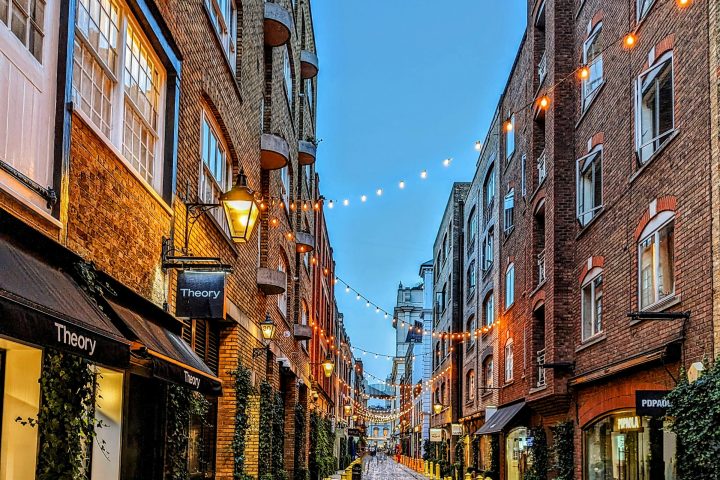
Things to Do in Covent Garden: The Streets Behind the Piazza
The Piazza is a shopping centre. The things worth doing are around it: a transport museum, a church whose front door is false, the opera house and the pubs down the alleys.
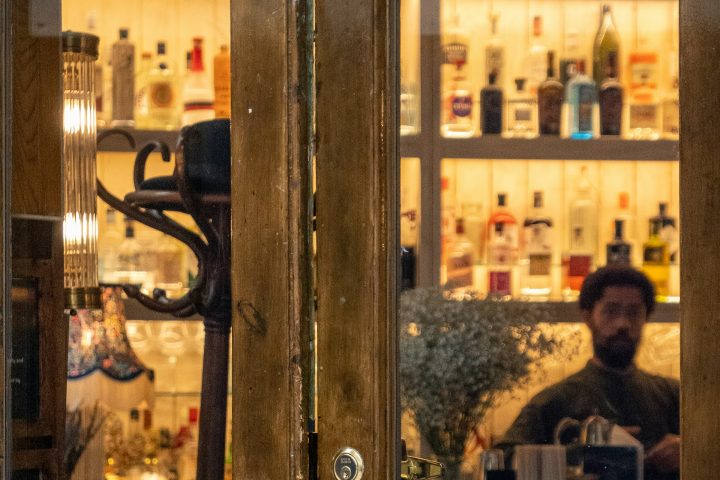
Things to Do in Soho: The Pubs With Rules, the Late Rooms and When to Go
The best Soho pubs take no bookings and the good restaurants want a week's notice. Which doors you can walk through, what runs late, and why Sunday is the weak day.
West
4 guidesResidential, quieter, and holding London's highest concentration of three star kitchens and five star hotels. Book further ahead than feels reasonable, because everyone else already has.

Chelsea, London: Royal Hospital Road, the King’s Road and What to Do
A free national museum, the Chelsea Pensioners and a garden from 1673, all on one road by the river. What to do in Chelsea, which days to go, and why no Tube station is close.
Knightsbridge Restaurants: The Rooms Worth the Money
Three of London’s nineteen Forbes Five-Star hotels sit on one street. Two stars at £65 for lunch, and why half of what is sold as Knightsbridge is not.
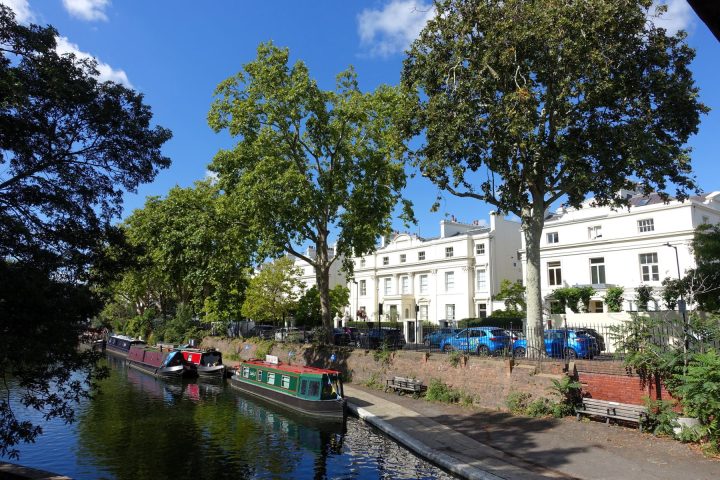
Little Venice: A Boat to Camden for 17 Pounds, and a Floating Theatre With Adult Nights
The Regent's Canal waterbus to Camden Market, which passes the zoo but does not stop at it, and the puppet barge's evening events for adults.
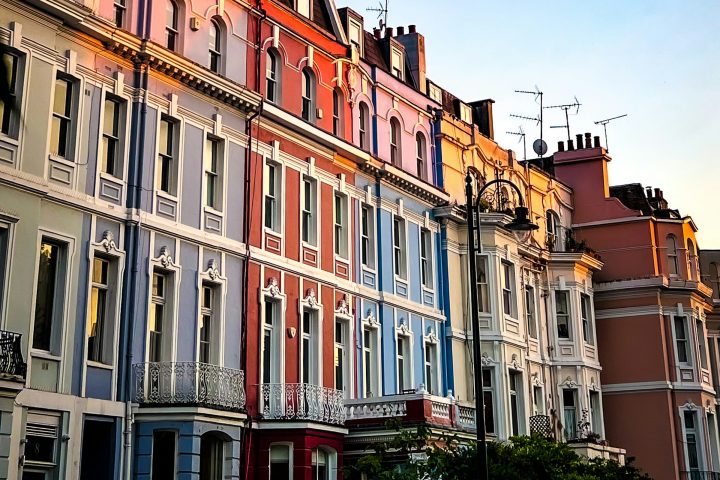
Notting Hill, London: Portobello, the Painted Streets and What to Skip
Portobello Road is a different market every day, the Electric has beds in the front row, and two of London's six three star restaurants are ten minutes apart. What to do in Notting Hill.
East
5 guidesMarkets, late licences, and the one district in London that empties at the weekend. What is open depends on the day more than anywhere else in this guide.
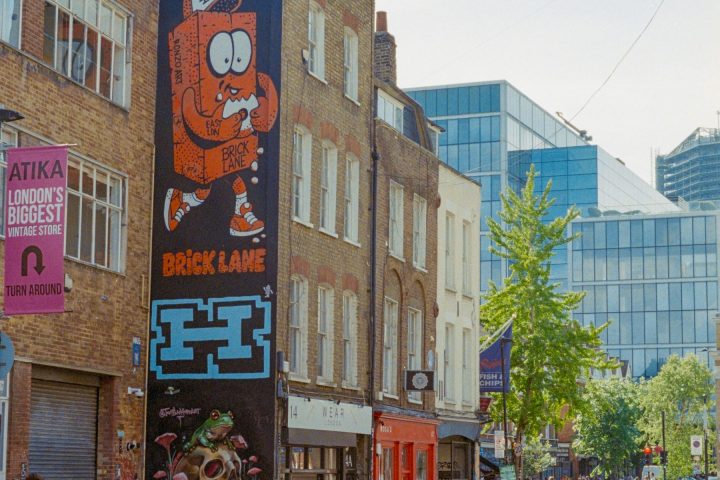
Brick Lane Markets: Five Markets, Two of Them Weekend Only
The Truman Brewery runs five markets and they do not keep the same hours. What is open on a Tuesday and what waits for the weekend.
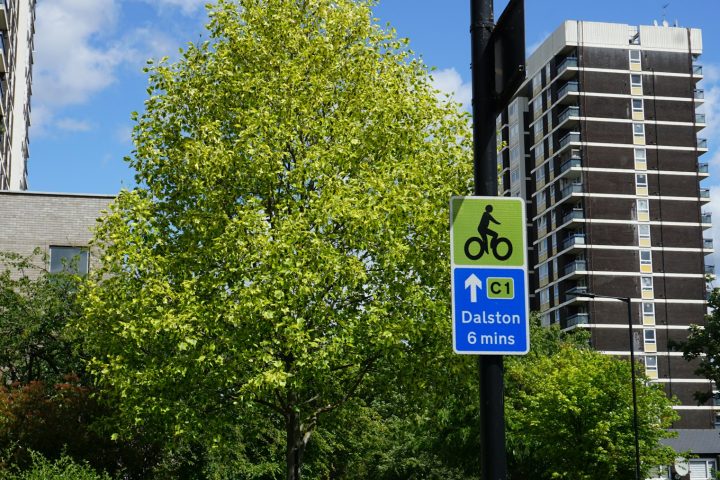
Dalston: A Market Open Until Four, a Cinema, and Drag Brunch at the Weekend
Ridley Road Market shuts at four and skips every bank holiday but one. Where Dalston eats, drinks and goes to the pictures.
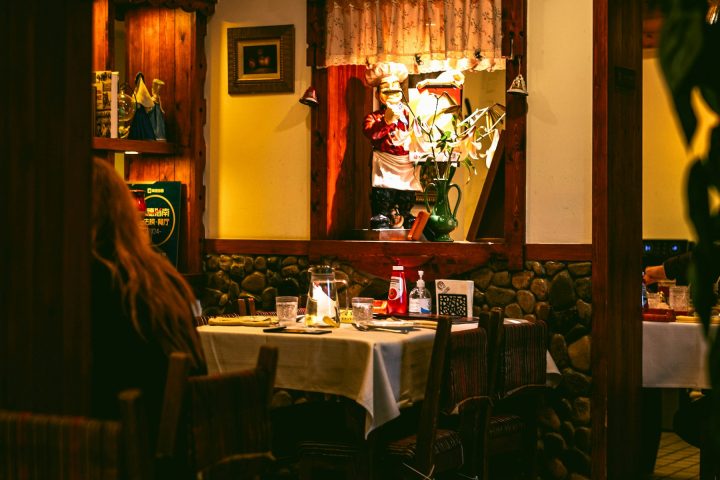
Hackney Restaurants: The District With the Shortest Week
A Michelin star at eighteen seats, a 105 minute breakfast window, and a market that never takes a week off. Where to eat in Hackney, and which day to come.
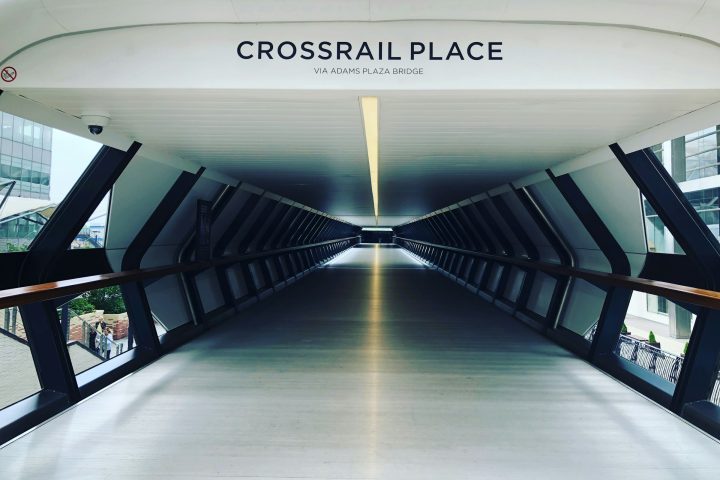
Things to Do in Canary Wharf: The Roof Garden, the Docks and a Free Museum
A free roof garden on top of the Elizabeth line, a free museum in a Georgian warehouse and a waterside walk most visitors miss. What to do in Canary Wharf, and why weekends differ.
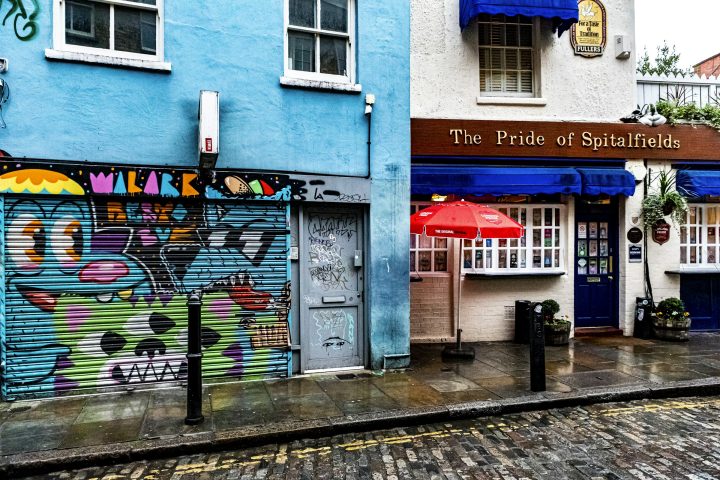
Things to Do in Shoreditch: Plan It by the Day
The two markets that justify the trip run on fixed days, one of them Sunday only. What to see in Shoreditch, Spitalfields and Hoxton, and which day to come.
Elsewhere
5 guides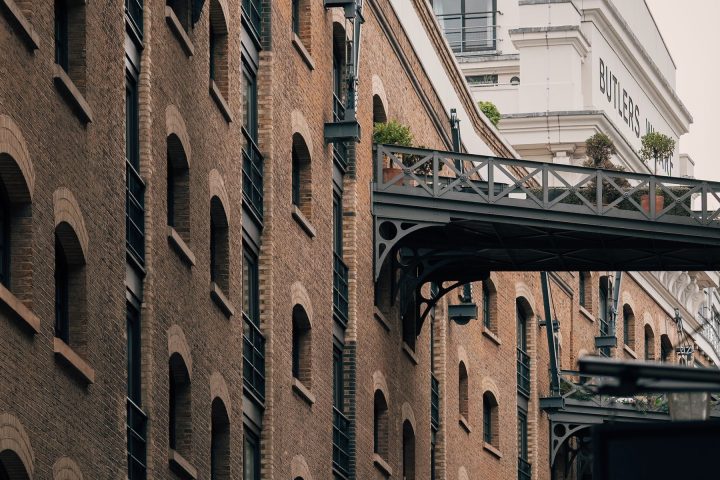
Bermondsey Street: One Road, and the Day Decides Everything
A free gallery, a paid museum that shuts on Sundays and Mondays, and a French bistro with no online booking and no Sunday dinner. Which day to come.
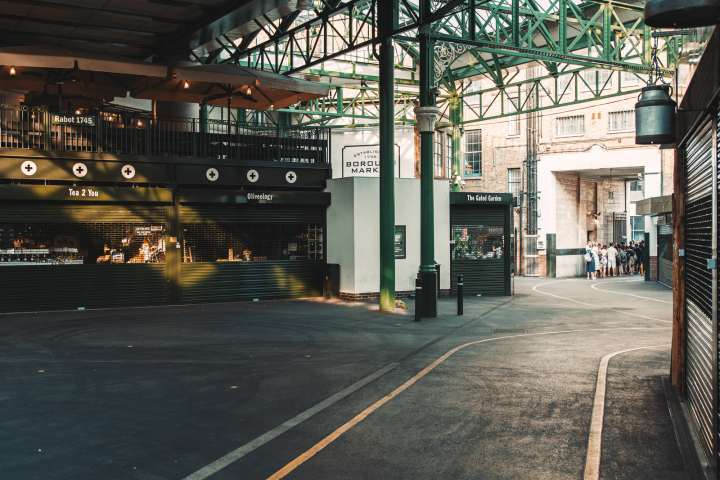
Borough, London: The Market Shuts at Five and Closes Mondays
Borough Market closes Mondays and shuts at 5pm, and nothing else around it does. Which day to come, which tables take no booking, and why the Shard's thin night is Tuesday.
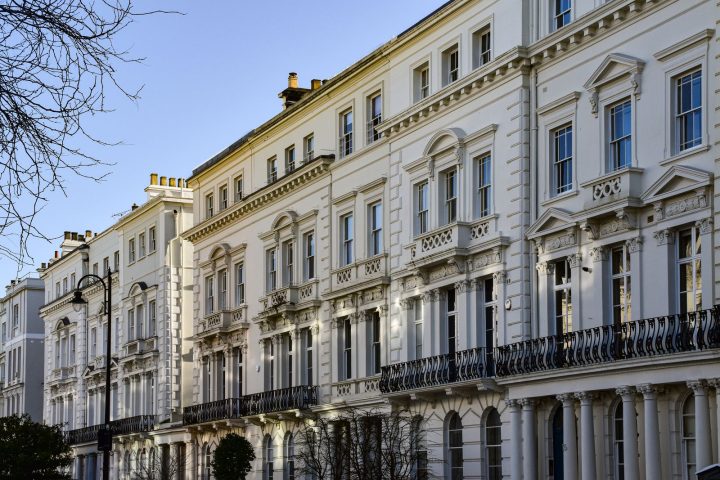
Fitzrovia: Pollock’s Has Gone and the BT Tower Is Sold
The toy museum moved to Croydon and Leadenhall Market, and the BT Tower was sold to a hotel group for 275 million. What is actually on Charlotte Street now.
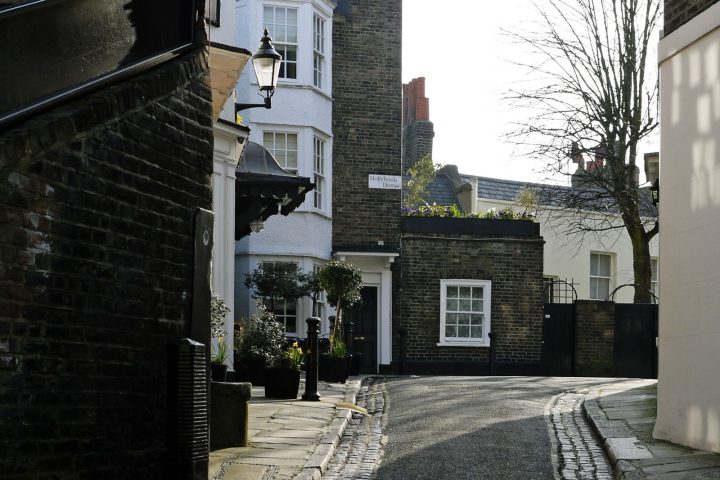
Hampstead: Kenwood Is Free, and Tickets Close at 8.45am
Kenwood House costs nothing but its free online tickets stop at 8.45am on the day. The grounds open at 7am, the zoo is free, and the Spaniards Inn opens late on Mondays.
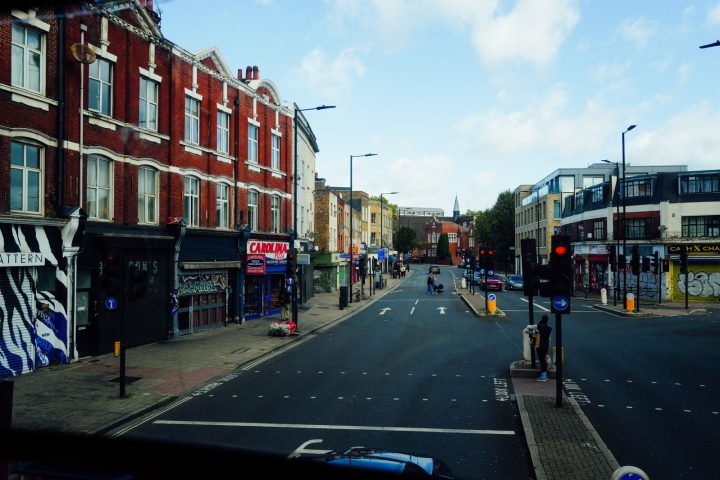
Peckham: What Changed at the Levels, and When the Roof Opens
Peckham Levels is no longer a food hall and closes Mondays and Tuesdays, and Bold Tendencies on the car park roof is shut until spring. Hours, prices and the rules.
Every location
Questions we get asked
Which London neighbourhood should I stay in?
Central London is small enough that the choice is about character rather than convenience. Knightsbridge and Mayfair for formal and quiet, Soho and Covent Garden for walking out of the door into the evening, Marylebone for somewhere that behaves like a village, Shoreditch for late.
Are London neighbourhood boundaries real?
Less than the property adverts suggest. Half the restaurants marketed as Knightsbridge are in Belgravia, Chelsea or South Kensington. The postcode is the reliable test: for Knightsbridge proper it is SW1X and SW7, and SW3 is Chelsea.
How far apart are London's neighbourhoods on foot?
Closer than the Tube map implies. Covent Garden to Soho is five minutes, Soho to Mayfair about ten, Marylebone to Mayfair about fifteen. In central London, walking is frequently faster than changing lines.